


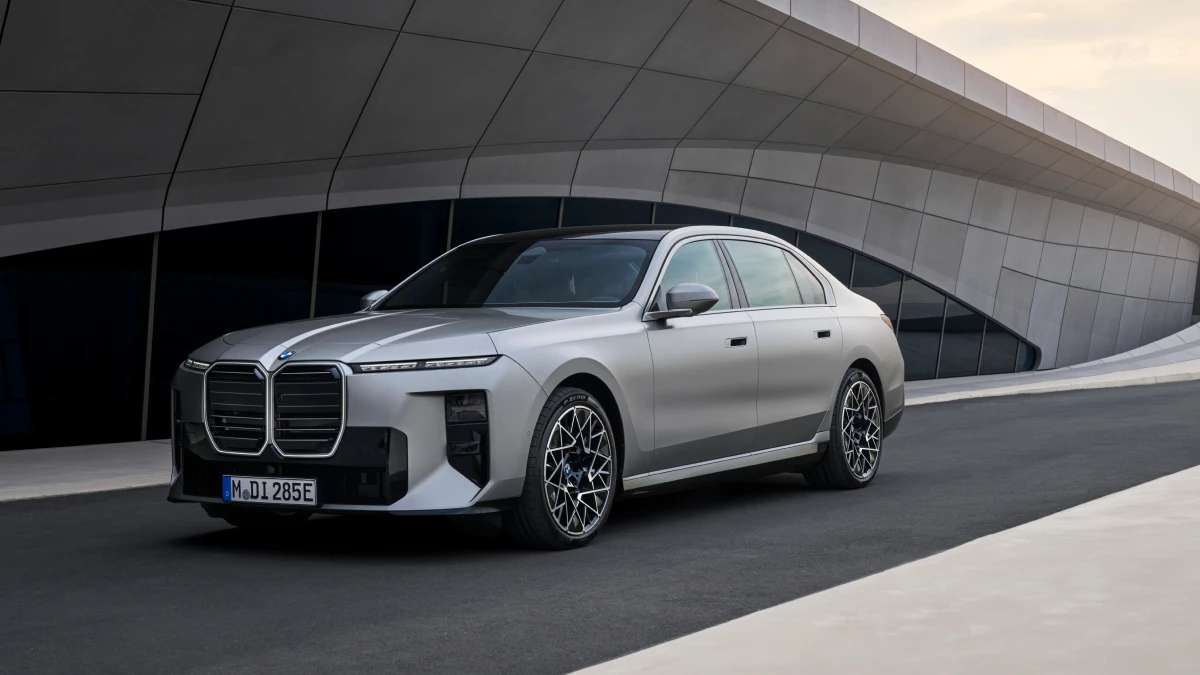
For decades, the BMW 7 Series has been the “Executive Express” — a car defined by leather, wood, and a massive internal combustion engine. On April 22, 2026, that era officially ended. BMW revealed the first look at the next-generation 7 Series and i7, built atop the radical Neue Klasse (NK) architecture.
This isn’t just a facelift; it is a total “re-coding” of the BMW DNA. By abandoning the “CLAR” platform that supported both petrol and electric drivetrains, the 2026 i7 finally sheds the weight and packaging compromises of the past.
1. Gen6 Battery Tech: The 800-Volt Revolution
The headline of the Neue Klasse platform is the jump to cylindrical battery cells. Moving away from the prismatic cells used in the current i7, these Gen6 cells offer:
- 20% Higher Energy Density: This allows for a thinner battery floor, lowering the car’s center of gravity without sacrificing cabin height.
- 30% Faster Charging: Thanks to a new 800-volt electrical architecture, the i7 can now add 300 km of range in just 10 minutes at a high-speed DC charger.
- Range Gains: Early testing suggests a WLTP range of up to 815 km for the flagship i7 xDrive70, a massive jump from the ~600 km of the previous generation.
2. Design: “Phygital” Elegance and the Panoramic Vision
The Neue Klasse design philosophy, as seen on the new 7 Series, is remarkably minimalist. The polarizing “mammoth” kidney grilles have been replaced by a wide, horizontal digital element that integrates the headlights and various ADAS sensors.
The End of the Dashboard
Inside, BMW has effectively killed the traditional instrument cluster.
- Panoramic Vision: A full-width Head-Up Display (HUD) that projects information across the entire lower section of the windshield.
- Central Matrix Display: Instead of a rectangle, the central screen is now a faceted, asymmetrical glass piece that uses Generative AI to anticipate driver needs based on biometric data (heart rate and stress levels).
3. Sustainability as Performance
BMW is targeting a 50% reduction in CO2 emissions across the life cycle of the new 7 Series.
- Monochromatic Materials: The interior uses “mono-materials” — single-source textiles that are significantly easier to recycle than traditional leather-and-plastic composites.
- Secondary Aluminum: Over 40% of the chassis is constructed from recycled aluminum, which requires 95% less energy to produce than primary ore.
The Market Verdict: 7 Series vs. The Field
| Feature | 2027 BMW i7 (Neue Klasse) | Mercedes-Benz EQS (2026 Refresh) | Lucid Air Sapphire |
| Architecture | 800V Dedicated EV | 400V (EVA2) | 900V Dedicated |
| Primary UI | Panoramic Vision HUD | MBUX Hyperscreen | Glass Cockpit |
| Range (WLTP) | ~815 km | ~780 km | ~830 km |
| 0-100 km/h | 2.9s (M70) | 3.4s | 1.89s |
Final Thoughts
The Neue Klasse 7 Series is a clear signal that BMW is no longer chasing Tesla or Lucid; they are redefining what “German Luxury” means in a software-defined world. It’s a car that prioritizes digital experience and charging speed over raw top speed — a shift that will likely define the executive segment for the next decade.
Does the 800V charging speed make the i7 more appealing than a Mercedes EQS, or do you still prefer the classic “Old World” luxury? Let us know in the comments!

