


India is no longer just a domestic powerhouse; it is officially the global workshop for compact, durable mobility. On April 21, 2026, the industry’s export data for March 2026 was finalized, revealing a total of 79,694 units shipped to international markets—a steady 2.89% year-on-year (YoY) growth.
While several segments faced domestic headwinds, the export market remained a goldmine for manufacturers. Maruti Suzuki, in particular, has achieved a historic milestone, exporting nearly one in every two cars leaving Indian shores this month.
The “Export Elite”: Top Models for March 2026
The leaderboard for March 2026 highlights a fascination with “Made-in-India” ruggedness and crossover appeal.
- Maruti Suzuki Fronx: The undisputed king of exports, shipping 7,802 units this month. Its crossover design is seeing massive traction in Latin American markets like Mexico and Chile.
- Maruti Suzuki Jimny: While domestic demand remains niche, the Jimny is a global superstar. Exports surged 63.46% to 6,738 units in March, with high demand from Japan and the Middle East.
- Maruti S-Presso: The “true” outlier of the month, the S-Presso recorded a staggering 216% YoY growth, reaching 6,377 units. Its durability in emerging markets across Africa remains its biggest selling point.
- Nissan Magnite: Despite a 40% YoY decline in domestic volume, the Magnite remains Nissan India’s lifeline, with 5,203 units exported, primarily to ASEAN and African regions.
The EV Factor: Suzuki eVitara Goes Global
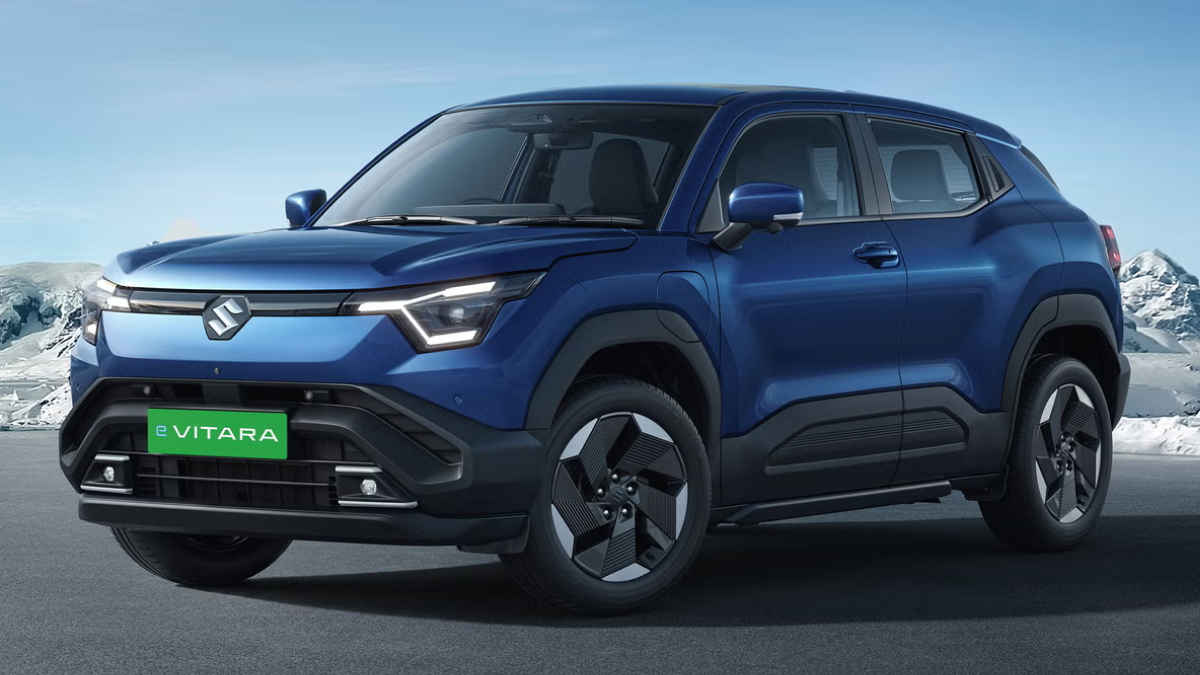
March 2026 marks a historic pivot for Indian exports: the rise of the Made-in-India EV. The Suzuki eVitara, manufactured at the Suzuki Motor Gujarat facility, has begun its global rollout.
- Strategic Shift: Around 50% of eVitara production is designated for export to European and Japanese markets.
- Global Hub Status: With the eVitara (and its Toyota sibling, the Urban Cruiser Ebella) now entering shipments, India is officially transitioning from a “small car hub” to a “global EV manufacturing hub.”
Brand Performance: Winners and Losers
| Manufacturer | March 2026 Exports | YoY Growth | Key Markets |
| Maruti Suzuki | 45,786 units | 39.67% | Africa, Latin America, Middle East |
| Hyundai | 12,400 units | -10.0% | Middle East, ASEAN |
| Nissan | 5,600 units | -31.0% | South Africa, Indonesia |
| Toyota | 3,200 units | 23.89% | Global (Hybrid focus) |
| Tata Motors | 850 units | 204% | Emerging Markets (on low base) |
The Verdict: The $8,000–$20,000 Sweet Spot
India’s export success is built on the $8,000 to $20,000 price bracket. By offering high-quality engineering that can withstand tough road conditions at a fraction of the cost of European or Japanese-built counterparts, Indian plants are becoming indispensable to global supply chains.
The next phase of this growth will be driven by the export of Left-Hand Drive (LHD) EVs and SUVs to larger European markets. If the current trajectory continues, India is well on its way to challenging Thailand and Mexico for the title of the world’s most efficient small-car export hub.
Which Made-in-India car do you think has the best chance of becoming a global bestseller? Let us know in the comments below!

