


The Indian automotive landscape has officially reached a tipping point. As we close the books on the financial year 2026 (FY26), the data reveals a market in the midst of a silent, electric-powered revolution. For the first time, electric passenger vehicle sales in India have nearly breached the 2,00,000-unit milestone, ending the year at a record 1,99,923 units.
This represents a staggering 83.6% year-on-year growth, proving that EVs are no longer a niche curiosity but a mainstream choice for the Indian consumer. From the bustling streets of Bengaluru to the expanding highways of Uttar Pradesh, the “Great Electric Shift” is well and truly underway.
The Power Rankings: Who Owned FY2026?
While the market is becoming more crowded, a “Big Three” has emerged, controlling over 85% of the total EV market share.
- Tata Motors (The Undisputed King): Tata continues to lead the charge with 78,811 units sold. While its market share dipped slightly from 53% to 39% due to rising competition, its volume grew by 36%, anchored by the massive success of the Punch EV and Nexon EV.
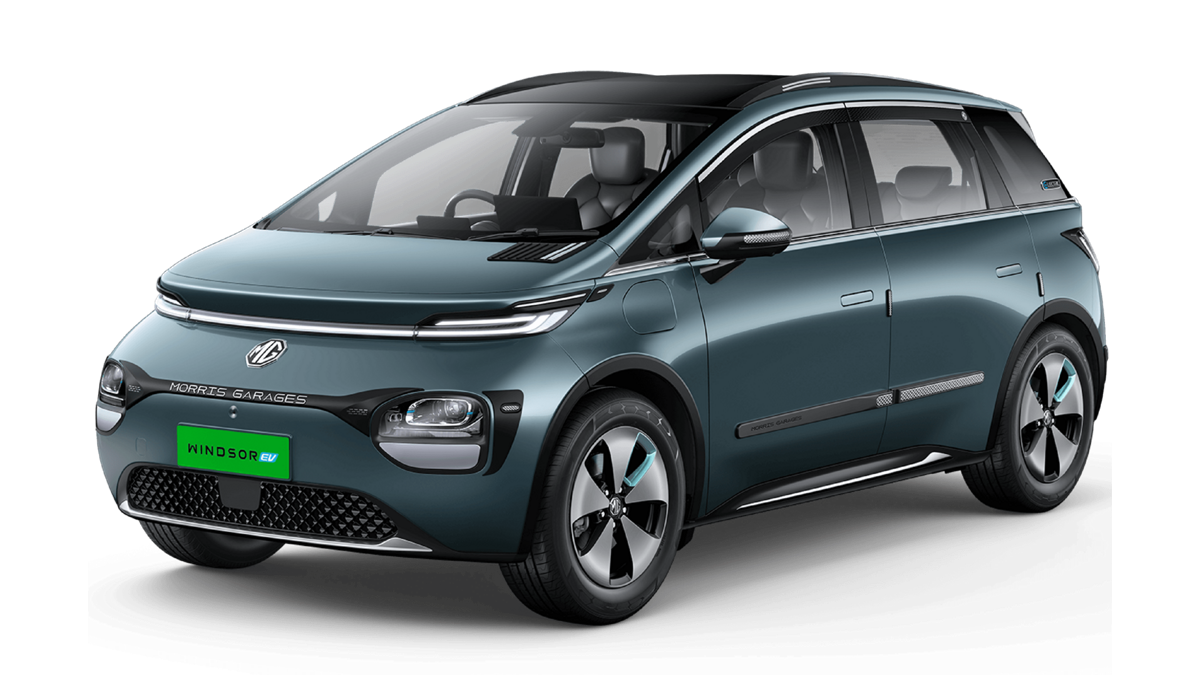
- JSW MG Motor India (The Tech Challenger): Securing the second spot, MG saw a 74% surge in volumes, retailing 53,089 units. The Windsor EV and the budget-friendly Comet have been instrumental in capturing the urban tech-savvy demographic.
- Mahindra & Mahindra (The Fastest Mover): The biggest story of FY26 is Mahindra’s explosive 407% growth. Jumping from just 8,426 units last year to 42,721 units, Mahindra’s “Born Electric” (BE) and XEV series have successfully challenged Tata’s dominance in the SUV space.
Key Market Shifts & Trends
1. The Democratization of EVs
In 2026, we saw the arrival of more affordable options like the Leapmotor T03 and the Tata Tiago EV refreshes, which have brought the entry price for a reliable electric car closer to the ₹8–10 lakh bracket. This has opened the doors for first-time car buyers to skip internal combustion engines (ICE) altogether.
2. Infrastructure: Bridging the Gap
Range anxiety is finally beginning to fade. As of March 2026, India’s public charging network has surpassed 30,000 stations. States like Karnataka and Maharashtra are leading the way, accounting for nearly 60% of the country’s infrastructure. The government’s PM E-Drive initiative has been a catalyst, ensuring a charger is now available roughly every 25 km on major national highways.
3. The Premium Surge
It isn’t just the mass market that’s booming. Luxury players like BMW (3,537 units) and Mercedes-Benz have seen record demand for their electric flagship models. Even Tesla, which officially began its Indian deliveries in early 2026, has already started making its mark in the premium segment.
FY2026 Sales Leaderboard
| Manufacturer | FY2026 Sales | YoY Growth |
| Tata Motors | 78,811 | +35.9% |
| JSW MG Motor | 53,089 | +73.7% |
| Mahindra | 42,721 | +407.0% |
| Hyundai | 5,885 | +137.6% |
| BYD | 5,361 | +25.4% |
Conclusion: What Lies Ahead for FY2027?
As we look toward the next fiscal year, the momentum shows no signs of slowing down. With upcoming launches like the Maruti eVitara, Tata Sierra EV, and Mahindra’s XEV 9e, the competition is set to intensify.
The Indian EV market has transitioned from “early adoption” to “early majority.” For the Indian buyer in 2026, the question is no longer if they should buy an EV, but which one fits their lifestyle best.
Are you ready to make the switch this year, or are you still waiting for more charging points in your city? Let us know in the comments!
