


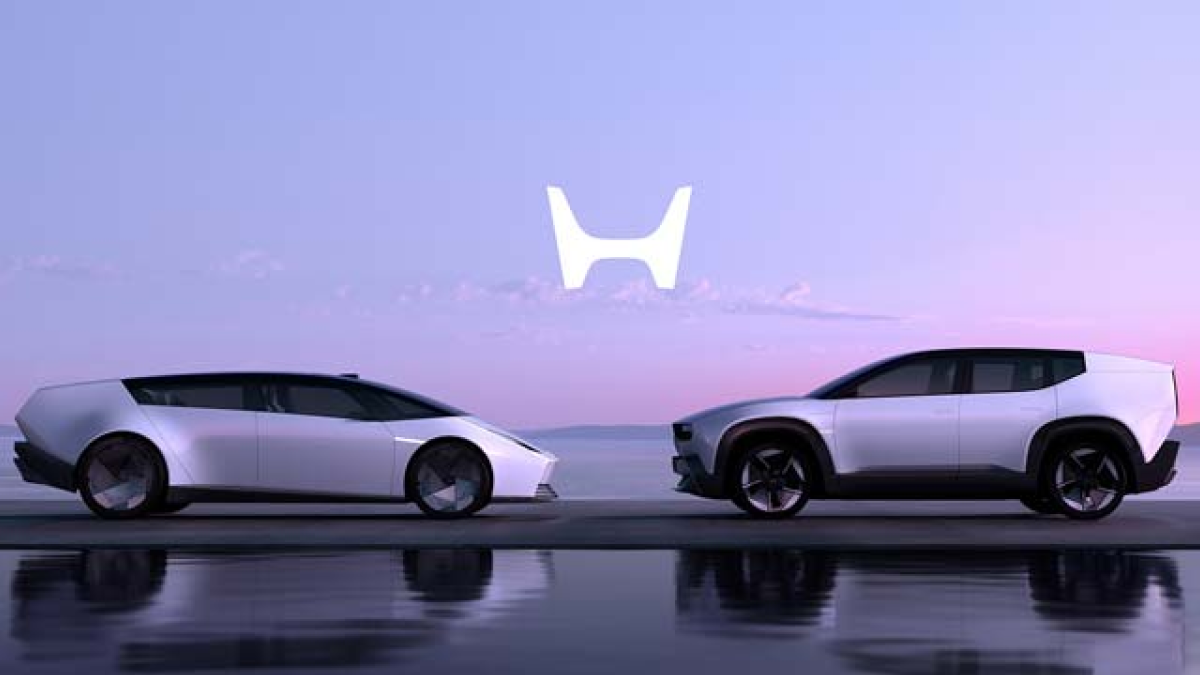
In a major shift that signals a global recalibration of the electric vehicle (EV) landscape, Honda Motor Co. announced on March 12, 2026, that it is cancelling the development and launch of three major electric vehicle models previously slated for North America. The axed projects include the high-profile 0-Series SUV, the 0-Series Saloon, and the upcoming Acura RSX EV.
This decision, which has led to a significant revision of the company’s financial forecast for the fiscal year ending March 2026, marks a pivotal moment for the Japanese automaker. As the global EV market faces cooling demand and intensifying software-driven competition, Honda is pivoting toward a more measured and profitable electrification strategy.
The Reasons Behind the Pivot
Honda’s leadership has been notably candid about the challenges driving this decision. According to company statements, the cancellation was prompted by a combination of global macroeconomic headwinds and shifting consumer priorities:
- Cooling EV Demand in the West: Revisions to environmental regulations and the scaling back of government EV incentives in the United States have created a market environment where full-scale EV rollouts are currently less financially viable.
- The “Software Gap” in China: Honda admitted that in markets like China, it struggled to keep pace with newer, agile domestic EV manufacturers. Consumers there are increasingly prioritizing “software-defined vehicles” (SDV)—cars that offer advanced connectivity, over-the-air updates, and sophisticated driver-assistance systems (ADAS)—faster than traditional automakers can innovate.
- Financial Prudence: Rather than risk long-term financial losses by launching vehicles that may not achieve sufficient scale or profitability, Honda chose to write off investments and streamline its roadmap.
India: A Strategic Pillar for Future Growth
While North American projects are being shelved, India has emerged as a cornerstone of Honda’s revised mid-to-long-term strategy. Honda has explicitly identified India as a key growth market where it intends to bolster both its model lineup and cost competitiveness.
For Indian consumers, this strategic reset is actually good news. With the brand moving away from a “EV-or-bust” mindset, the focus in India is shifting toward practical, high-efficiency hybrid vehicles (HEVs). These hybrids serve as a bridge, offering the fuel-sipping benefits of electrification without the infrastructural hurdles currently facing pure BEVs.
Honda is expected to leverage its Indian manufacturing base to not only cater to local demand but also to optimize costs for broader Asian markets. You can look forward to the following developments in the coming months:
- Elevate-Based Hybridization: Plans are well underway to introduce a strong-hybrid version of the popular Elevate SUV, localized for maximum cost efficiency.
- Hybrid Portfolio Expansion: Beyond the City e:HEV, Honda is preparing to bring a wider range of next-generation hybrid SUVs to the Indian market, positioning itself against competitors who are similarly doubling down on hybrid technology.
- Next-Gen Platforms: Future models in India will benefit from Honda’s new, lightweight mid-size platform, which prioritizes driving dynamics and structural efficiency.
Final Thoughts
Honda’s decision to cancel the 0-Series EVs is not a withdrawal from electrification, but rather a strategic refocusing. By avoiding the “over-investment” trap that has caught several global automakers, Honda is protecting its profitability while doubling down on markets where its strengths—reliability, hybrid efficiency, and local manufacturing—have the most impact. For India, this means a steady stream of highly practical, fuel-efficient SUVs and hybrids designed to bridge the gap toward the future of mobility.

