




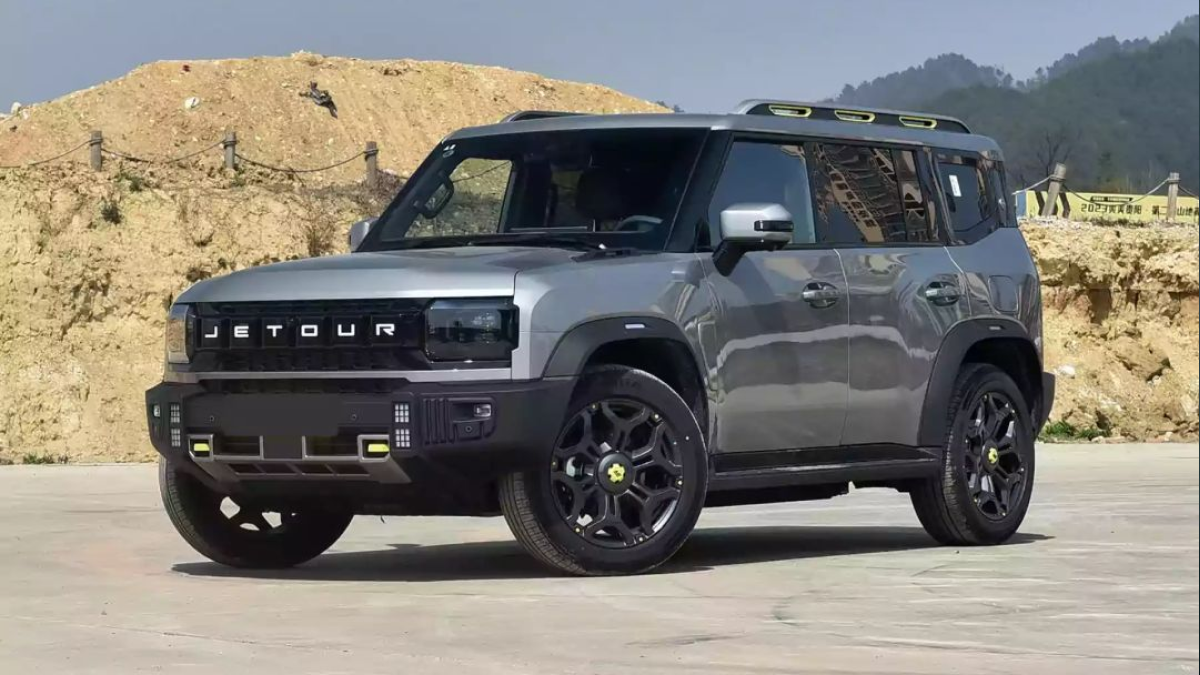
The Indian automotive landscape is bracing for a significant disruption as JSW Motors—the independent automotive arm of the JSW Group—moves closer to its official market debut. On February 27, 2026, the Indian patent office officially approved a design patent for an SUV based on the Jetour T2, a rugged, boxy off-roader from the stable of China’s Chery Automobile.
This filing is more than a mere legal formality; it represents the first tangible step in JSW’s strategy to establish a standalone car brand in India, distinct from its existing joint venture with MG Motor. By securing the rights to the T2’s aesthetic, JSW is signaling its intent to enter the premium lifestyle SUV segment, targeting a Diwali 2026 launch.

Rugged Simplicity: A Design for the Modern Explorer
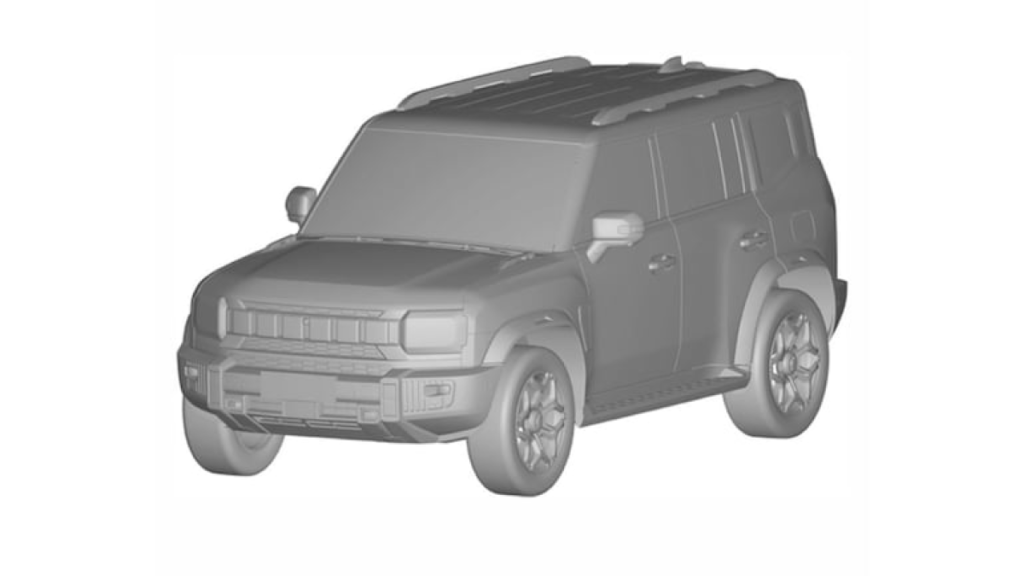
The patented design confirms that the India-spec SUV will stay true to Jetour’s “Rugged Simplicity” philosophy. The vehicle features a silhouette that many enthusiasts have compared to the Land Rover Defender, characterized by an upright stance, squared-off wheel arches, and flat body panels.
Key design elements revealed in the March 2026 patent include:
- The “Pixel” Aesthetic: Distinctive rectangular LED headlamp housings and pixel-style fog lamps integrated into a chunky, muscular front bumper.
- Functional Exterior Cues: Prominent roof rails with neon accents and a tailgate-mounted spare wheel housed in a robust, rectangular cover.
- Adaptations for India: While the global model features “JETOUR” lettering across the grille, the patented Indian version is expected to sport JSW branding, marking the birth of a new domestic identity.
The PHEV Advantage: Why JSW Chose the i-DM Platform
Unlike its rivals, which are largely choosing between pure electric (EV) or traditional petrol/diesel engines, JSW is betting on Plug-in Hybrid (PHEV) technology. The India-bound model will utilize the Jetour T2 i-DM powertrain.
This system combines a 1.5-litre turbo-petrol engine with a 26.7 kWh battery pack. For city commutes, the SUV offers a pure electric range of approximately 139 km (NEDC), which could effectively reduce daily running costs to near-zero for urban users. For long-distance travel, the petrol engine takes over, supported by a 3-speed Dedicated Hybrid Transmission (DHT) that manages the transition between electric and hybrid modes. With an estimated power output of 156 PS and 220 Nm of torque, it aims to offer a balance of efficiency and off-road capability.
Market Positioning and the Rs. 45 Lakh Benchmark
While your initial draft compared the T2 to the Creta and Seltos, the official March 2026 data suggests a more premium positioning. JSW Motors is expected to price the T2-based SUV around Rs. 45 lakh (ex-showroom). This places it in a unique “white space” in the Indian market—offering the rugged appeal of a Mahindra Thar or Scorpio-N but with the refinement, hybrid efficiency, and tech-heavy interior (including a 15.6-inch touchscreen and Snapdragon 8155 chip) of a luxury vehicle.
As JSW begins recruiting dealer partners this month, the success of this T2-based SUV will depend on how well the brand can localize production at its new facility in Chhatrapati Sambhajinagar. If successful, JSW Motors could become the first manufacturer to make high-range plug-in hybrids a mainstream reality in India.

