



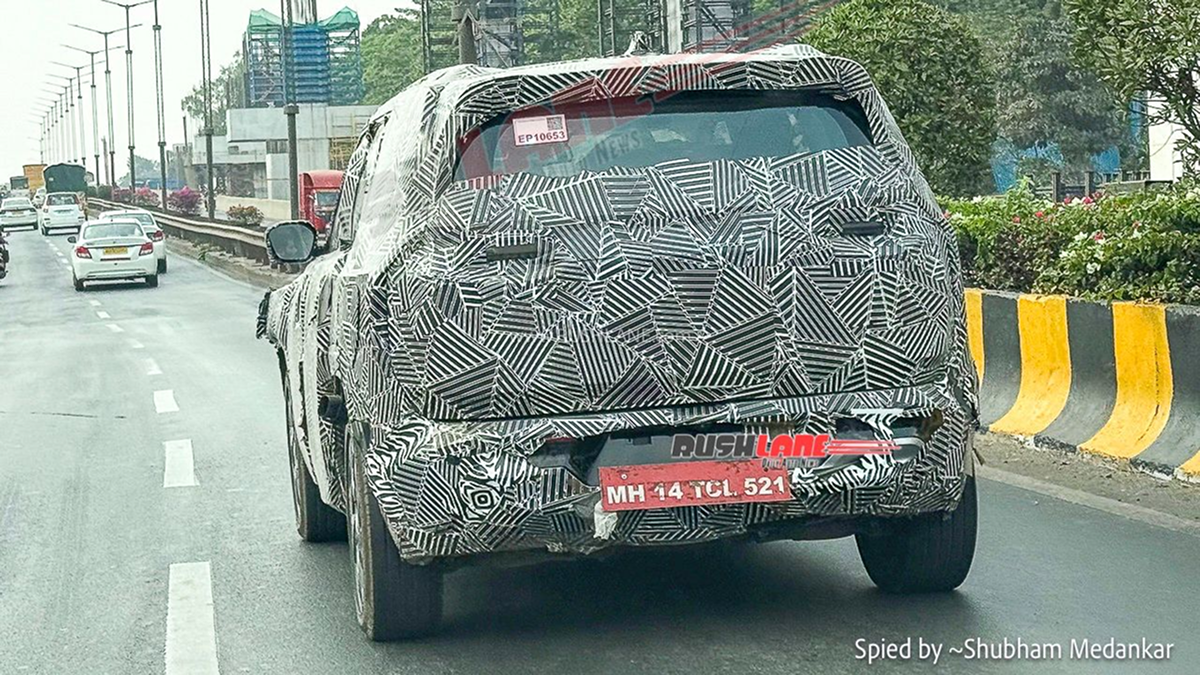
Tata Motors has officially locked in the launch window for the much-anticipated Sierra.ev for April to June 2026. Following the successful market entry of its petrol and diesel counterparts last November, the electric version is set to become the flagship of Tata’s acti.ev architecture.
Unlike the original 1990s icon, the 2026 Sierra.ev is not just a nostalgia play. It is a technical powerhouse designed to sit above the Curvv.ev and just below the upcoming Harrier.ev, filling a crucial gap in the premium mid-size SUV segment.
Powertrain and Performance Targets
The Sierra.ev will be built on the ARGOS (Gen 2) platform, which is significantly more advanced than the X1 platform used in the Nexon. While Tata is keeping the final production figures under wraps until the Q2 launch, current testing data and platform sharing suggest two distinct battery configurations:
- Medium Range: A 55 kWh pack borrowed from the Curvv.ev, targeting an MIDC range of approximately 450 km.
- Long Range: A flagship 65 kWh to 70 kWh pack, expected to deliver a real-world range of over 500 km.
Most importantly for enthusiasts, the Sierra.ev is confirmed to be AWD-ready. High-spec variants are expected to feature a dual-motor setup, providing all-wheel-drive capabilities that would distinguish it from rivals like the Hyundai Creta EV and the Maruti Suzuki eVitara.
The Iconic Design Reimagined
The production-ready design preserves the “Alpine Windows”—the signature wraparound rear glass that defined the original Sierra. However, the EV variant features several aerodynamic departures from the ICE model:
- Front Fascia: A completely closed-off grille with a full-width LED light bar that performs a welcome animation.
- Wheels: 19-inch aero-alloy wheels designed to minimize drag and maximize range.
- Seating Concept: The Sierra.ev will introduce a “Lounge Seating” package in its top-tier Accomplished+ trim. This configuration prioritizes rear-seat legroom and comfort, mimicking a high-end living room environment rather than a traditional three-row setup.
Technology and Safety Suite
The interior will likely debut a triple-screen dashboard layout. This includes a dedicated screen for the front passenger, a 12.3-inch central infotainment system, and a fully digital instrument cluster for the driver.
On the safety front, Tata is targeting a 5-star Bharat NCAP rating. Standard equipment will include six airbags, Electronic Stability Control (ESC), and a Level 2 ADAS suite featuring autonomous emergency braking, lane-keep assist, and adaptive cruise control.
Market Outlook and Pricing
The Sierra.ev enters a far more competitive landscape than its predecessor. It will lock horns with the Mahindra BE 6 and the Maruti Suzuki eVitara by mid-2026.
Pricing is expected to be premium, with an estimated starting point of ₹19 lakh, stretching up to ₹25 lakh for the dual-motor AWD variants. For buyers, the choice will come down to whether they value the retro-cool heritage and unique lounge interior over the more conventional silhouettes of its rivals.

