





Tesla’s once-bulletproof grip on the American market is facing a reality check. According to registration estimates from Motor Intelligence, Tesla opened 2026 with an estimated 17% drop in U.S. sales for January, marking the fourth consecutive month of declining domestic demand.
Moving roughly 40,100 units—down from 48,500 just a year ago—the Austin-based automaker is grappling with a combination of structural market shifts and a product lineup that analysts describe as “growing stale.”
The “Tax Credit Hangover”
The primary culprit for the January plunge is the expiration of the $7,500 federal EV tax credit in late 2025.
- Price Shock: Overnight, the effective cost of a Model 3 or Model Y spiked by thousands of dollars.
- Market Contraction: This wasn’t just a Tesla problem; the broader U.S. EV market saw a nearly 30% volume dip in January as buyers retreated from higher transaction prices.
- California Cooling: Even in Tesla’s heartland, California, market share slipped from 11.6% in 2024 to 9.9% in 2025, indicating that even the most loyal “early adopter” regions are beginning to diversify.
A Narrowing Portfolio
In a surprising strategic pivot, Tesla recently discontinued the flagship Model S and Model X to focus on higher-volume production and AI-driven robotics. This leaves the brand with just three active automotive products:
- Model 3: Facing heavy pressure from refreshed legacy sedans.
- Model Y: Still a top seller, but awaiting the delayed “Juniper” refresh.
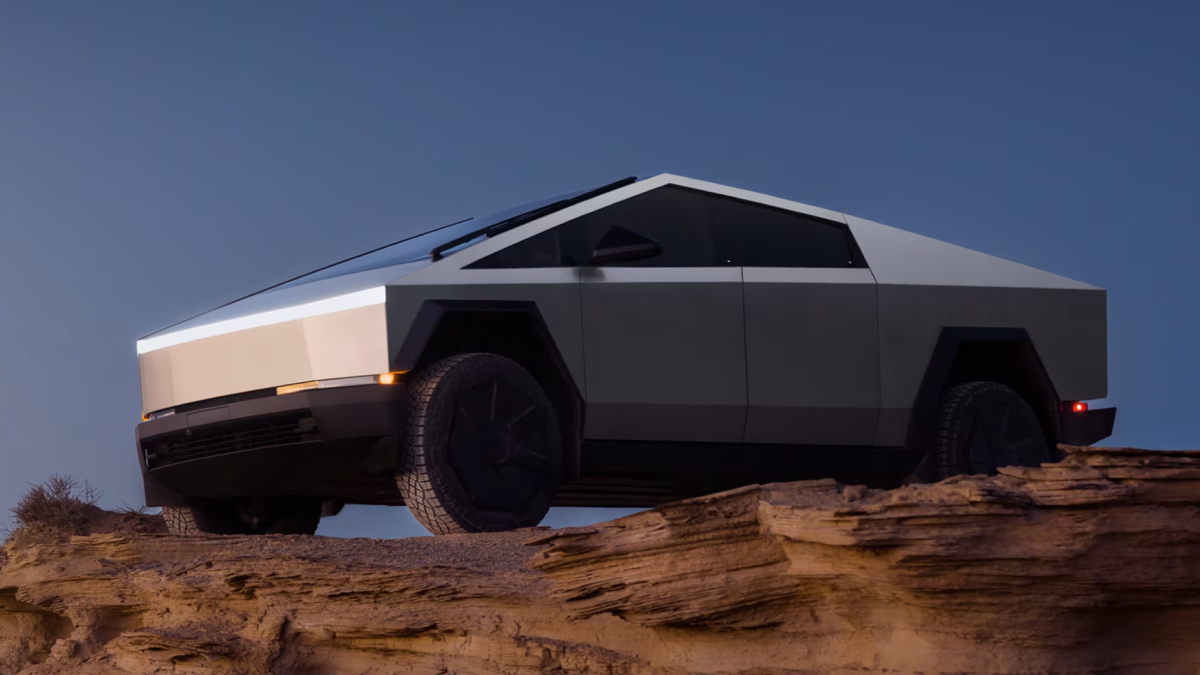
- Cybertruck: While polarizing, it surprisingly accounted for a large portion of January’s registrations, even as the “honeymoon phase” for the stainless-steel pickup begins to level off.
The Competition is No Longer “New”
The days of Tesla being the “only game in town” are over. While Tesla’s domestic sales fell by double digits, General Motors (GM) saw its EV share surge to 13.2% last year. Meanwhile, international pressure is mounting; Chinese giant BYD has officially surpassed Tesla as the world’s largest EV seller, and Xiaomi’s YU7 significantly outsold the Model Y in China this January.
The Pivot to “Transportation as a Service”
Rather than chasing traditional sales volume, Elon Musk has signaled a shift toward Autonomy and AI. The focus is moving toward the “Cybercab” robotaxi and the Optimus humanoid robot. However, for investors and dealers, the immediate question remains: can software revenue replace the “bleeding” market share of the core automotive business?

