


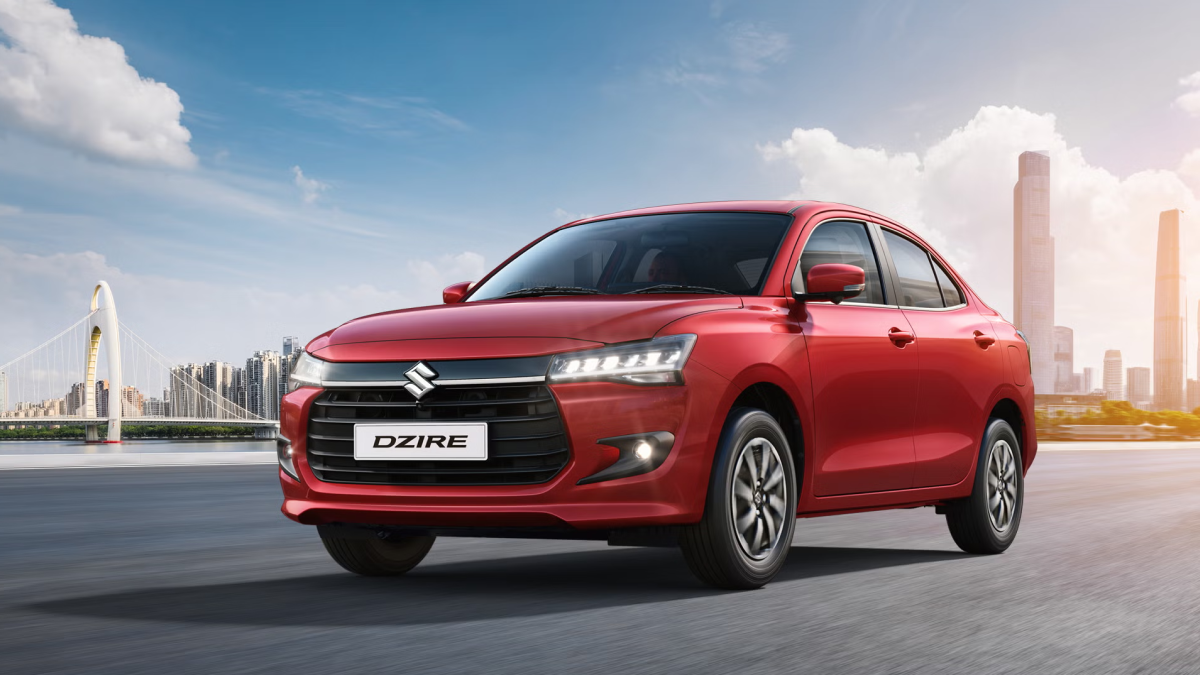
Maruti Suzuki has officially announced a fresh price revision across its passenger vehicle lineup, with select models set to become up to ₹30,000 more expensive starting in August 2026. The country’s largest automaker attributes the upcoming price increase to continuously rising input costs and higher operational expenses. For buyers planning to bring home a new Maruti Suzuki vehicle, completing the booking before the revised prices come into effect is highly recommended.
At a Glance
| Item | Details |
| Brand | Maruti Suzuki |
| Effective From | August 2026 |
| Maximum Price Increase | Up to ₹30,000 |
| Reason | Rising input & operational costs |
| Affected Models | Multiple Maruti Suzuki cars |
Why Are Maruti Suzuki Cars Becoming More Expensive?
The automotive industry continues to face significant economic headwinds. Maruti Suzuki’s decision to increase prices stems from several unavoidable factors:
- Rising raw material costs: The prices of essential commodities and precious metals used in vehicle manufacturing have seen a sustained increase.
- Higher logistics expenses: Renewed conflicts in global trade routes and energy market fluctuations have significantly increased transportation and operational expenses.
- Inflationary pressures: Sustained inflation continues to squeeze manufacturing margins across the industry.
- Continued compliance investments: Automakers must continuously invest heavily in advanced technology to meet strict safety and emission compliance standards.
Which Maruti Suzuki Cars Could Be Affected?
While the exact quantum of the price increase will vary from model to model, the hike is expected to affect a wide range of popular vehicles across the brand’s Arena and Nexa showrooms. Models likely to see a price revision include:
- Hatchbacks: Alto K10, S-Presso, Celerio, WagonR, Swift, Baleno
- Sedans: Dzire
- SUVs & Crossovers: Fronx, Brezza, Grand Vitara, Jimny
- MPVs: Ertiga, XL6, Invicto
What Should Buyers Do?
With the price hike taking effect in August, current and prospective buyers still have a narrow window to finalize their purchases. Here is how you can navigate the impending increase:
- Book before August: Secure your vehicle now before the revised prices hit the showroom floor.
- Confirm price protection: Speak with your dealership to ensure your booking falls under the current pricing structure, as existing bookings might retain current pricing depending on specific dealer terms.
- Check for ongoing discounts: Look out for exchange bonuses, corporate discounts, or ongoing dealer offers that can help offset the on-road cost.
- Compare finance options: Lock in your EMI options before the ex-showroom price jump impacts your total loan amount.
Impact on the Indian Car Market
This is not an isolated incident. The August update marks Maruti Suzuki’s second portfolio-wide price revision in roughly two months, following a similar hike in June 2026. Manufacturers across the board are periodically adjusting prices to combat rising costs. Competing brands like Hyundai, Tata Motors, Mahindra, Kia, and Toyota also actively monitor input costs and occasionally revise their pricing structures.
Despite these periodic price increases, the demand for compact cars and SUVs remains incredibly robust in the Indian market. However, buyers generally accelerate their purchase decisions whenever a hike is announced to maximize their savings.
Should You Buy Before August?
Even a ₹20,000 to ₹30,000 price increase noticeably affects your total on-road costs and monthly EMIs. Popular, high-demand models like the Swift, Brezza, and Grand Vitara could instantly become less affordable.
Consider buying now if:
- You are actively planning to purchase a Maruti Suzuki soon.
- You want to lock in your savings and completely avoid the price hike.
- Your local dealer is currently offering attractive pre-hike discounts.
You may want to wait if:
- You are specifically holding out for an upcoming facelift or a new-generation model launch.
- You are cross-shopping multiple brands and prefer to wait for major festive season offers.
Conclusion
The upcoming Maruti Suzuki price hike starting in August 2026 will undoubtedly impact the wallet of the average Indian car buyer. Affecting several popular models across the hatchback, sedan, MPV, and SUV segments, this increase is a direct response to continuously rising input and operational costs. Fortunately, prospective buyers still have a short window of opportunity to lock in current prices. Checking with your nearest dealership regarding specific booking deadlines and price protection policies can help you make a much more informed, cost-effective purchase decision.
Related Links:
