


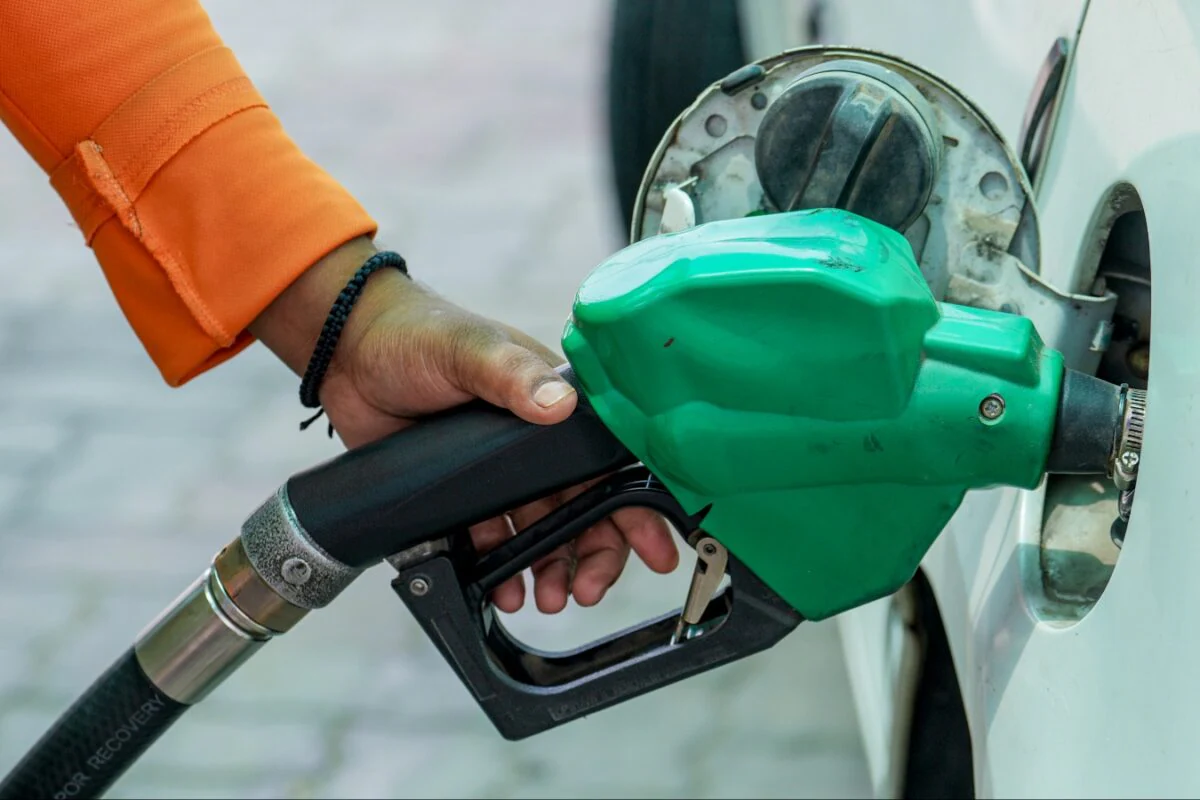
The government’s ambitious drive to reshape the country’s energy matrix has hit a massive operational roadblock. While the nationwide implementation of E20 petrol (a blend of 20% ethanol and 80% regular fossil fuel) was celebrated by policymakers as a milestone for fiscal and environmental sustainability, those working on the ground tell a vastly different story.
The Petroleum Dealers Association (PDA) has formally approached the Ministry of Petroleum and Natural Gas, urging an immediate re-evaluation of the current strategy. Rather than an outright rejection of the green transition, fuel retailers are demanding a tactical retreat to a lower blend percentage, citing rising mechanical complaints, public anger at retail outlets, and unfulfilled commercial agreements.
Retail Friction: Frontline Operators Bear the Brunt
At the heart of the trade body’s appeal is the severe friction developing between retail staff and motorists. Since the mandatory rollout of E20 fuel, petrol pumps have increasingly become flashpoints for consumer dissatisfaction. Association leaders point out that while dealers simply distribute the fuel provided by State-run Oil Marketing Companies (OMCs), they are bearing the direct consequences of policy enforcement.
Drivers across multiple districts are reporting sudden, severe mechanical drop-offs. The most widespread consumer complaints involve clogged fuel delivery lines, gummed-up carburettors in older two-wheelers, and severe moisture accumulation inside fuel tanks. Because the general public lacks awareness regarding the chemical properties of high-blend biofuels, frustrated vehicle owners frequently confront pump operators when repair issues arise, leaving station owners to handle a public relations crisis they did not create.
Standard WordPress Specification Matrix
To illustrate the widening gap between technical targets and real-world infrastructure readiness, the table below maps out the core conflicts currently dominating the nationwide E20 transition:
| Operational & Market Red Flags | Technical Policy Blueprint | Real-World Retail & Consumer Reality |
| Target Blending Percentage | Nationwide Mandate at 20% Bioethanol | Dealers Proposing a Rollback to 10% (E10) |
| Engine Component Impact | Material Validation for Post-2023 Vehicles | Corrosive Wear on Older Fuel Lines & Rubber Seals |
| Fuel Delivery Clogging | High Octane Rating Cleans Engine Internals | Corrosive Residue Jamming Older Carburettors |
| Moisture Absorption Risk | Negligible Impact in Regulated Test Labs | High Phase Separation Risk in Humid Coastal Zones |
| Real-World Fuel Efficiency | Certified Drop Capped Between 2% to 6% | Consumers Reporting Drops Exceeding 10% |
| Fleet Compatibility Scope | Focus on BS6 Phase 2 Compliant Vehicles | Tens of Millions of Legacy BS4/BS6 Phase 1 on Roads |
| Consumer Buying Sentiment | Unaffected due to Greener Profile | 43% of Prospective Buyers Deferring Petrol Purchases |
| Dealer Commission Structure | Bi-Annual Margin Revisions Promised in 2024 | Zero Margin Growth Realized for Station Owners |
| Primary Macro Objective | Save ₹1.9 Lakh Crore in Crude Oil Imports | Retail Networks Facing Severe Public Backlash |
The Technical Divide: Compatibility and Legacy Fleets
The sharpest point of contention between fuel retailers and testing agencies lies in fleet compatibility. The Automotive Research Association of India (ARAI) and major auto manufacturers have actively defended the rollout. They maintain that extensive laboratory testing over 50,000 kilometres proves that E20 fuel does not cause engine failures when used in certified, modern vehicles.
However, dealers emphasize that laboratory trials fail to account for the reality of Indian roads. While new cars manufactured after April 2023 are engineered with specialized anti-corrosive materials, millions of older vehicles—including BS4 models and early BS6 Phase 1 iterations—remain in active service.
Ethanol is highly hygroscopic, meaning it actively absorbs water vapor from the air. In humid, coastal regions, this characteristic causes “phase separation,” where water binds with the ethanol and settles at the bottom of fuel tanks, leading to engine knocking, rust, and unexpected stalling.
The Consumer Spending Impact: This technical uncertainty is starting to damage auto sales. Recent market research indicates that 43% of prospective car buyers are actively postponing new petrol vehicle purchases due to confusion surrounding the E20 fuel roadmap and rumors of upcoming E30 blends. Instead, buyers are shifting toward hybrid and electric alternatives, disrupting long-term inventory planning for dealerships.
The Margin Crisis: Broken Commercial Pledges
Compounding these technical issues is a growing financial dispute over retail operational costs. In 2024, OMCs formally committed to reviewing and adjusting dealer profit margins every six months to help pump owners absorb the rising expenses of running a station, such as higher statutory compliance costs and increased electricity rates.
Dealers report that margins have remained completely stagnant since that agreement. Operating an E20-mandated station requires stricter maintenance protocols, including frequent tank cleaning to prevent moisture separation and specialized filtration monitoring. Station owners argue it is financially unviable to take on higher operational risks and handle rising consumer complaints without receiving their promised financial compensation.
The Path Forward
The Petrol Dealers Association is not seeking a permanent end to the National Biofuel Policy. Recognizing the macroeconomic benefits of reducing oil import bills, the trade body is instead calling for a practical, phased approach.
The association’s formal petition recommends temporarily lowering the mandatory blending cap back to 10% (E10) nationwide. This adjustment would provide the automotive ecosystem with a necessary buffer, allowing older legacy vehicles to naturally phase out while giving OMCs time to resolve retail margin disputes and launch comprehensive public education campaigns on proper vehicle maintenance.
