


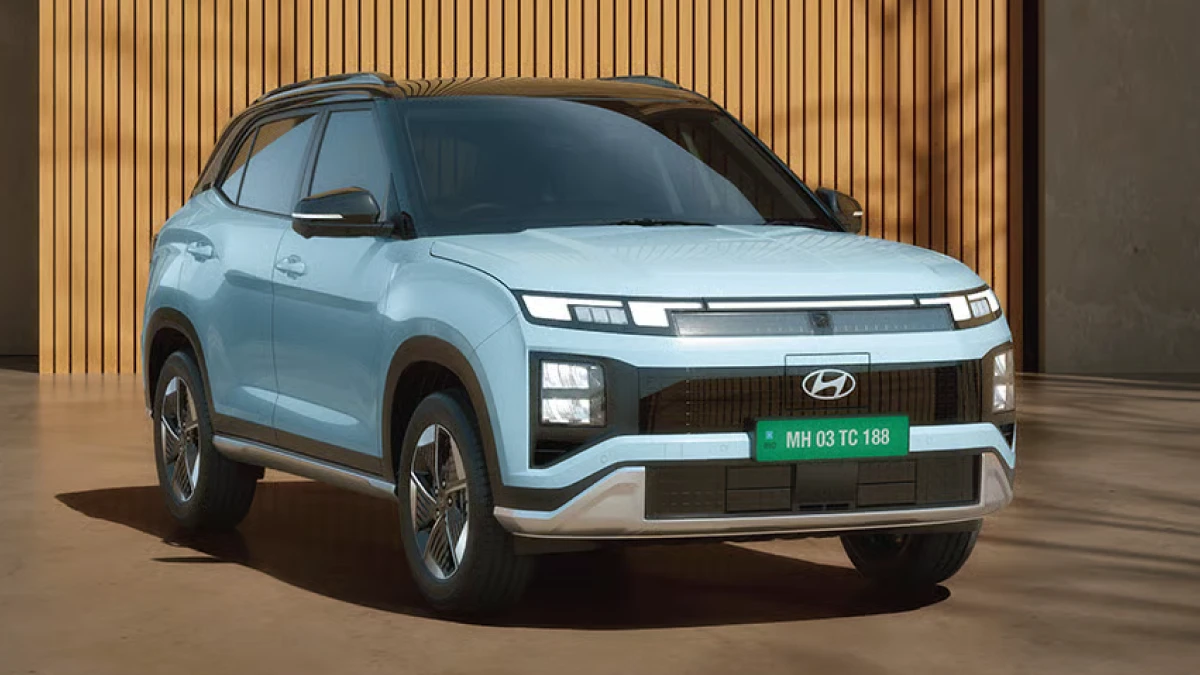
The high initial purchase price has always been one of the biggest roadblocks holding back buyers from switching to an electric vehicle in India. Because the massive battery pack accounts for a huge chunk of an EV’s manufacturing cost, electric SUVs naturally carry a heavy premium over their petrol or diesel siblings.
Hyundai is looking to dismantle this financial hurdle completely. By launching an innovative Battery-as-a-Service (BaaS) ownership structure for the highly anticipated Creta Electric, the carmaker has drastically lowered the upfront cost. This aggressive pricing strategy positions the electric SUV right in the heart of the mass-market internal combustion engine (ICE) segment.
Deconstructing the BaaS Framework: How it Works
The fundamental concept behind Battery-as-a-Service is simple: you buy the physical car, but you lease the battery pack that drives it. By removing the battery cost from the initial invoice, Hyundai reduces the upfront purchase price of the Creta EV by approximately ₹7 lakh.
Instead of paying for the battery all at once, you pay a running usage fee of ₹3.90 per kilometer. This functions much like a tailored distance-based fuel bill or a secondary EMI, turning a heavy fixed expense into a flexible operating cost.
To understand how this changes the financial equation, let’s look at the baseline vehicle specifications and real-world monthly running costs under the BaaS model:
| Operational & Cost Metrics | Creta EV 42 kWh (Standard Pack) | Creta EV 51.4 kWh (Long Range) |
| BaaS Entry Price (Upfront) | ₹10.99 Lakh (Ex-Showroom) | Pricing Varies by Trim |
| Standard Full-Ownership Price | ₹18.03 Lakh (Ex-Showroom) | Up to ₹24.70 Lakh (Ex-Showroom) |
| Battery Rental Rate (BaaS) | ₹3.90 per km | ₹3.90 per km |
| Electric Motor Performance | 135 PS / 133 bhp | 171 PS / 169 bhp |
| 0–100 km/h Sprint Time | Around 9.2 Seconds | 7.9 Seconds |
| Official ARAI Certified Range | 420 km | 510 km |
| DC Fast Charging Time (10–80%) | 39 to 58 Minutes | 39 to 58 Minutes |
| Monthly Battery Cost (1,000 km) | ₹3,900 (Plus home electricity charging) | ₹3,900 (Plus home electricity charging) |
Mechanical Packages and Feature Distribution
Beyond the flexible payment model, the Creta Electric remains a highly competitive mid-size SUV. It is available with two distinct battery configurations. The standard 42 kWh battery generates 135 PS, while the more powerful 51.4 kWh long-range variant delivers 171 PS and clocks a quick 0 to 100 km/h time of just 7.9 seconds.
Alongside the BaaS roll-out, Hyundai has quietly integrated a couple of practical updates based on customer feedback:
- Integrated Side Foot Steps: Now standard across variants to make getting in and out of the cabin much easier for families.
- Optimized Home Charging: The home-charger variants now bundle a 7.4 kW AC wallbox charger, a deliberate shift from the previous 11 kW unit to better align with typical residential electrical loads.
The cabin features mirror the flagship status of the premium ICE Creta, highlighting twin 10.25-inch integrated display screens, a panoramic sunroof, ventilated front seats, and a comprehensive Level 2 ADAS driver assistance suite.
Evaluating the Math: Is BaaS Right For Your Garage?
The Low-Mileage Advantage: If your primary vehicle usage involves shorter daily city commutes totaling around 500 to 1,000 km a month, the BaaS model is incredibly lucrative. It allows you to skip the heavy ₹18 lakh initial expenditure, keeping your bank balance free while paying a small, predictable monthly usage fee of ₹1,950 to ₹3,900.
The High-Mileage Cross-Over: For heavy highway drivers clocking upwards of 1,500 to 2,000 km every single month, the per-kilometer charges will add up rapidly. When you combine a ₹7,800 monthly battery rental bill with your regular home electricity charging costs, the financial line begins to cross over, making the traditional full-ownership model more practical in the long term.
The Final Verdict
By adding the Battery-as-a-Service model to the Creta Electric, Hyundai has opened up a highly disruptive entry point into the EV market. It effectively eliminates the massive upfront cash barrier, making clean mobility accessible to buyers who previously found EVs financially out of reach. If you analyze your driving distances and choose the right ownership tier, this framework changes the game for mass-market EV adoption.
