


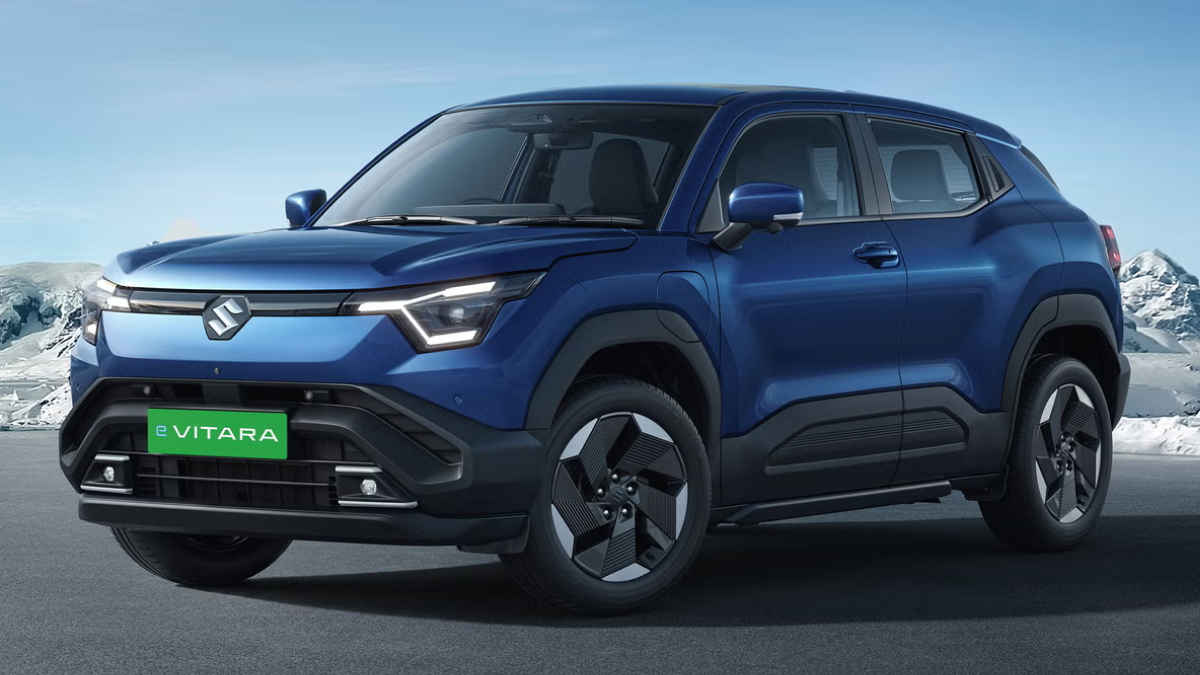
The affordable electric vehicle landscape is facing its first major reality check of the year. Maruti Suzuki has officially implemented a comprehensive price revision across its entire product portfolio. While high-volume petrol models like the Swift and WagonR see minimal adjustments, the automaker’s newly launched flagship electric SUV—the Maruti Suzuki e Vitara—absorbs the steepest hit. Effective mid-June 2026, the midsize electric crossover has received a direct price hike of up to ₹30,000, depending on the chosen trim and battery layout.
This sudden adjustment comes as a surprise to many car buyers, given that the e Vitara was only introduced to the Indian market earlier this year. However, it highlights the heavy economic pressures and shifting component expenses that manufacturers face behind the scenes.
The Cost Pressures Behind the June Price Revision
According to official regulatory filings submitted by Maruti Suzuki, the decision to adjust prices stems from sustained input cost pressures and persistent inflation throughout the automotive supply chain. Over the past year, the rising cost of key raw materials—especially battery pack cells, advanced electronic semiconductors, and high-tensile steel—has forced multiple Indian carmakers to re-evaluate their entry pricing strategies. Maruti Suzuki is not alone in this move; major market rivals including Tata Motors, Hyundai, and Kia have similarly announced matching price corrections to protect their business sustainability.
Crucially, this price update does not bring any mechanical or cosmetic changes to the vehicle. The e Vitara continues to offer its standard equipment list, structural chassis setup, and tech features without any updates or deletions.
The price hike applies directly to both standard variants and vehicles ordered under Maruti’s newer Battery-as-a-Service (BaaS) ownership model. For buyers choosing the standard outright purchase route, the base Delta trim with the 49 kWh battery pack now starts at ₹16.29 lakh, moving the entry point up from its original ₹15.99 lakh introductory price.
On the other end of the lineup, the top-tier Alpha Dual Tone variant featuring the 61 kWh battery pack climbs to an ex-showroom price of ₹20.31 lakh.
Drivetrain Performance and Variant Calibration
The underlying hardware of the e Vitara remains highly competitive despite the updated numbers. The entry-level Delta 49 kWh variant utilizes a front-mounted single electric motor pushing out 144 PS of power and 193 Nm of peak torque. This setup targets daily city commuters, providing an efficient WLTP-certified driving range of 344 km on a single charge.
For buyers seeking extended highway capability, the Zeta and Alpha trims package a larger 61 kWh battery pack. This setup bumps the power output up to 174 PS while keeping torque identical at 193 Nm. It achieves an impressive ARAI-certified range of up to 543 km.
The e Vitara also comes standard with an included home charger installation, supporting fast DC charging speeds capable of juicing the battery from 10 to 80 percent in approximately 45 minutes.
2026 Maruti Suzuki e Vitara Updated Price Structure
The table below breaks down the revised ex-showroom pricing for the e Vitara range, highlighting the exact differences between the outright purchase track and the battery rental model.
| Vehicle Variant | Battery Pack Size | Claimed Certified Range | Original Launch Price (No BaaS) | New Revised Price (No BaaS) | Alternate BaaS Price (Plus Rental Fee) |
| e Vitara Delta | 49 kWh | 344 km (WLTP) | ₹15.99 Lakh | ₹16.29 Lakh | ₹11.29 Lakh (+ ₹3.99 / km) |
| e Vitara Zeta | 61 kWh | 543 km (ARAI) | ₹17.49 Lakh | ₹17.79 Lakh | ₹12.29 Lakh (+ ₹4.39 / km) |
| e Vitara Alpha | 61 kWh | 543 km (ARAI) | ₹19.79 Lakh | ₹20.09 Lakh | ₹14.59 Lakh (+ ₹4.39 / km) |
| e Vitara Alpha DT | 61 kWh | 543 km (ARAI) | ₹20.01 Lakh | ₹20.31 Lakh | ₹14.81 Lakh (+ ₹4.39 / km) |
Strategic Market Takeaway
The ₹30,000 price increase serves as a reminder that localized electric vehicle manufacturing remains vulnerable to fluctuating global supply lines and material inflation. Even with the revised pricing, the e Vitara keeps a highly strategic position in India’s midsize electric SUV class.
By offering customers the choice between standard purchasing and the flexible BaaS subscription model, Maruti Suzuki keeps the upfront acquisition cost accessible for first-time EV adopters.
As long-range competitors like the upcoming Tata Sierra EV and the Mahindra BE 6 prepare to enter the market, Maruti’s massive nationwide service footprint and established reputation for reliability will be key to keeping the e Vitara ahead of the competition.
