


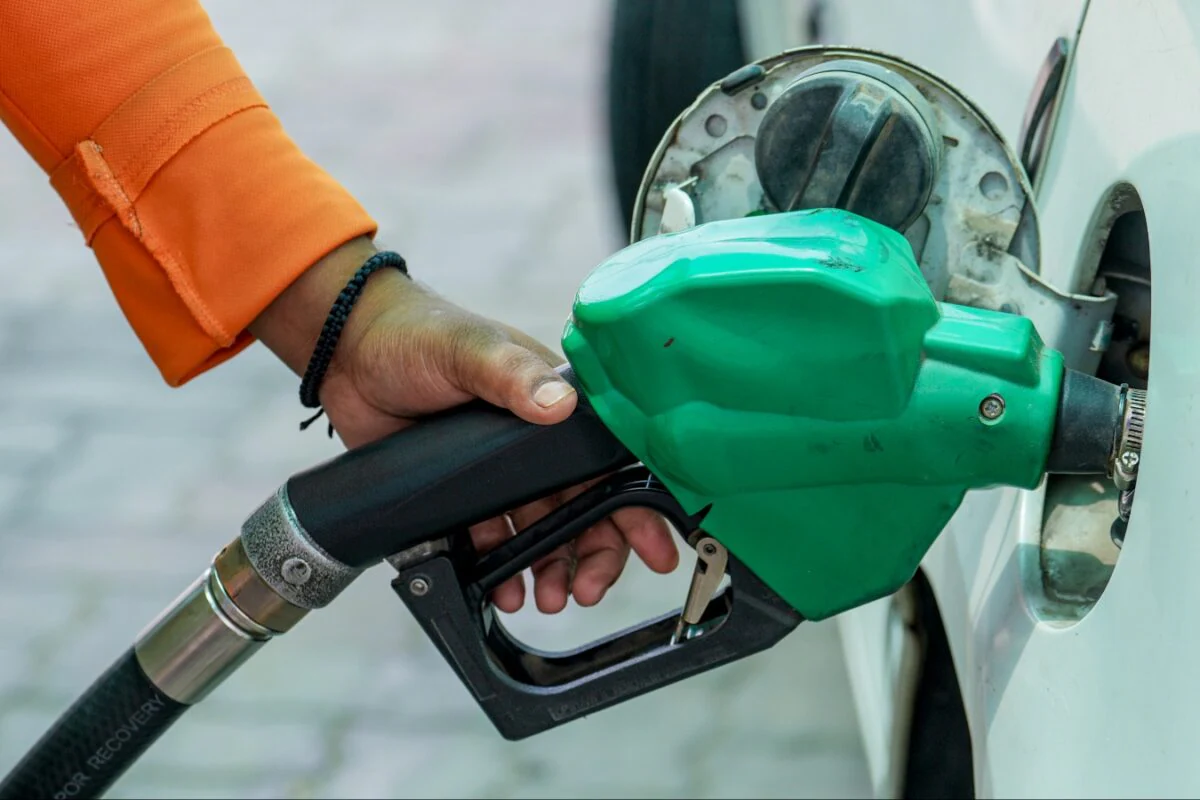
India’s aggressive crusade toward domestic energy independence just cleared its most critical legal hurdle yet. While the successful nationwide rollout of E20 petrol established a solid foundation for bio-mobility, the Union Ministry of Road Transport and Highways (MoRTH) has taken the ultimate leap forward. Road Transport Minister Nitin Gadkari has officially signed and approved the long-awaited E100 fuel regulations, amending the Central Motor Vehicles Rules (CMVR) of 1989 to give legal backing to pure, 100 percent ethanol as a mainstream automotive fuel.
This regulatory framework completely shifts India’s automotive roadmap. It transforms high-ethanol blending from a mere industrial experiment into a commercially viable, legally standardized fuel category.
Deciphering the Legal Framework
The core purpose of this notification is to establish formal testing parameters, type-approval criteria, and emission compliance standards for vehicles running on high-concentration green fuels. By formally replacing legacy references of E10 and E85 in the national rulebooks with updated columns for E85 and E100, the government has handed automakers a concrete technical blueprint.
Vehicle manufacturers now have the legal clarity needed to mass-produce, test, and register dedicated flex-fuel vehicles (FFVs). Furthermore, this policy change drops central excise duty on higher ethanol-petrol blends, bringing their pricing structure directly in line with standard E20 fuels to promote rapid consumer adoption.
The Macroeconomic Play: Empowering Farmers and Slashing Import Bills
The macro-incentives driving the E100 push are rooted heavily in national economic security and agricultural optimization:
- Insulation from Global Oil Shocks: India imports more than 85 percent of its crude oil requirements, burning roughly ₹22 trillion annually. Shifting mass-market transit toward indigenous biofuels heavily reduces this foreign cash drain.
- Boosting the Agrarian Economy: Unlike petroleum, which is tied to foreign supply chains, ethanol is an entirely domestic product. It is distilled directly from agricultural surpluses, including sugarcane juice, heavy molasses, maize, and damaged food grains. Widespread E100 adoption transfers a massive portion of national energy spending straight into the hands of local Indian farmers.
- Radical Emission Cuts: According to technical studies conducted by the Indian Institute of Science (IISc) Bengaluru, operating vehicles on pure ethanol can cut overall tailpipe greenhouse gas emissions by an astounding 88 percent compared to pure fossil fuels.
Navigating the Technical Disconnect
While the legal path is now open, it is incredibly important for everyday consumers to understand that existing standard petrol cars cannot simply fill up with E100 fuel. Despite its name, commercial E100 is not pure alcohol; it contains roughly 93 to 95 percent ethanol, with the remainder composed of petrol and specialized additives to prevent cold-start failures.
Because ethanol is highly corrosive and inherently attracts water, using it in an uncertified engine will rapidly destroy rubber gaskets, corrode aluminum fuel lines, and trigger severe engine stalling. Dedicated E100 flex-fuel vehicles require heavily upgraded injectors, corrosion-resistant fuel lines, specialized ethanol-content sensors, and completely re-calibrated engine control units (ECUs).
Mapping India’s Emerging Fuel Landscape
To illustrate how the new E100 standards redefine the market, the table below maps out the precise chemical compositions, infrastructure goals, and vehicle compatibility guidelines across India’s evolving fuel spectrum.
| Fuel Grade Designation | Approximate Fuel Composition | Core Vehicle Compatibility | Initial Infrastructure Target |
| E20 Petrol | 20% Ethanol / 80% Petrol | All mass-market vehicles manufactured after April 2025 | Mainstream across all retail fuel outlets nationwide |
| E85 BioFlex | ~85% Ethanol / 15% Petrol | Flex-Fuel Vehicles (FFVs) and retrofitted commercial fleet kits | Active deployment across Delhi-NCR and Mumbai-Nagpur corridors |
| E100 Pure Ethanol | ~93-95% Ethanol with Petrol Additives | Dedicated Flex-Fuel Engines (e.g., Toyota, Suzuki, Tata, Hyundai, MG) | Targeting 500 outlets by Dec 2026; 5,000 outlets by late 2027 |
| B100 Biodiesel | 100% Pure Bio-ester Fuel | Heavy commercial trucks, mining equipment, and marine vessels | Specialized industrial storage and transport fleet depots |
The Road Ahead for Automakers
With the legal framework fully active, major automakers are rapidly accelerating their product pipelines. Twelve distinct manufacturers are already prepping high-ethanol vehicle rollouts. Industry giants like Toyota, Suzuki, Tata, Mahindra, Hyundai, and MG are expected to debut production-ready, E100-compatible models and variants in the very near future.
Additionally, the government is urging major two-wheeler brands to develop certified flex-fuel conversion kits, allowing owners of older motorcycles to safely retrofit their rides. While building out the parallel retail pump infrastructure will take time, the legalization of E100 officially shifts India away from an experiment and into a true global leader for alternative bio-mobility.ps.
