




The Indian passenger vehicle market achieved a historic landmark in August 2026, with monthly retail registrations crossing the 4-lakh-unit threshold for the first time in any August month.According to official registration data released by the Federation of Automobile Dealers Associations (FADA), total passenger vehicle registrations reached 4,02,398 units.
This figure represents a healthy 16.14 percent year-on-year (YoY) expansion compared to the 3,46,468 vehicles registered in August 2025, adding 55,930 units to dealer order books.While monthly volumes dropped slightly by 3.40 percent compared to July 2026 (which stood at 4,16,555 units), the overall momentum signals strong consumer sentiment heading directly into the primary Indian festive season.
Top Car Manufacturers by Retail Sales Volume in August 2026
The market structure saw substantial volume gains across major brand portfolios, with Maruti Suzuki maintaining a dominant lead while Tata Motors delivered the highest growth rate among the top volume players.
| OEM Rank | Automobile Manufacturer | August 2026 Retail Volume | August 2025 Retail Volume | YoY Growth (%) | August 2026 Market Share (%) | August 2025 Market Share (%) |
| 1 | Maruti Suzuki India | 1,65,200 | 1,34,494 | +22.83% | 41.05% | 38.82% |
| 2 | Tata Motors Passenger Vehicles | 57,841 | 41,170 | +40.49% | 14.37% | 11.88% |
| 3 | Mahindra & Mahindra | 50,245 | 47,220 | +6.41% | 12.49% | 13.63% |
| 4 | Hyundai Motor India | 46,987 | 44,818 | +4.84% | 11.68% | 12.94% |
| 5 | Toyota Kirloskar Motor | 24,856 | 27,600 | -9.94% | 6.18% | 7.97% |
| 6 | Kia India | 23,371 | 19,873 | +17.60% | 5.81% | 5.74% |
| 7 | Skoda Volkswagen Group | 7,469 | 9,069 | -17.64% | 1.86% | 2.62% |
| 8 | JSW MG Motor India | 5,784 | 6,649 | -13.01% | 1.44% | 1.92% |
| 9 | Honda Cars India | 4,968 | 4,421 | +12.37% | 1.23% | 1.28% |
| 10 | Renault India | 3,275 | 2,618 | +25.10% | 0.81% | 0.76% |
Detailed Performance Analysis of Key Market Leaders
1. Maruti Suzuki Extends Market Dominance
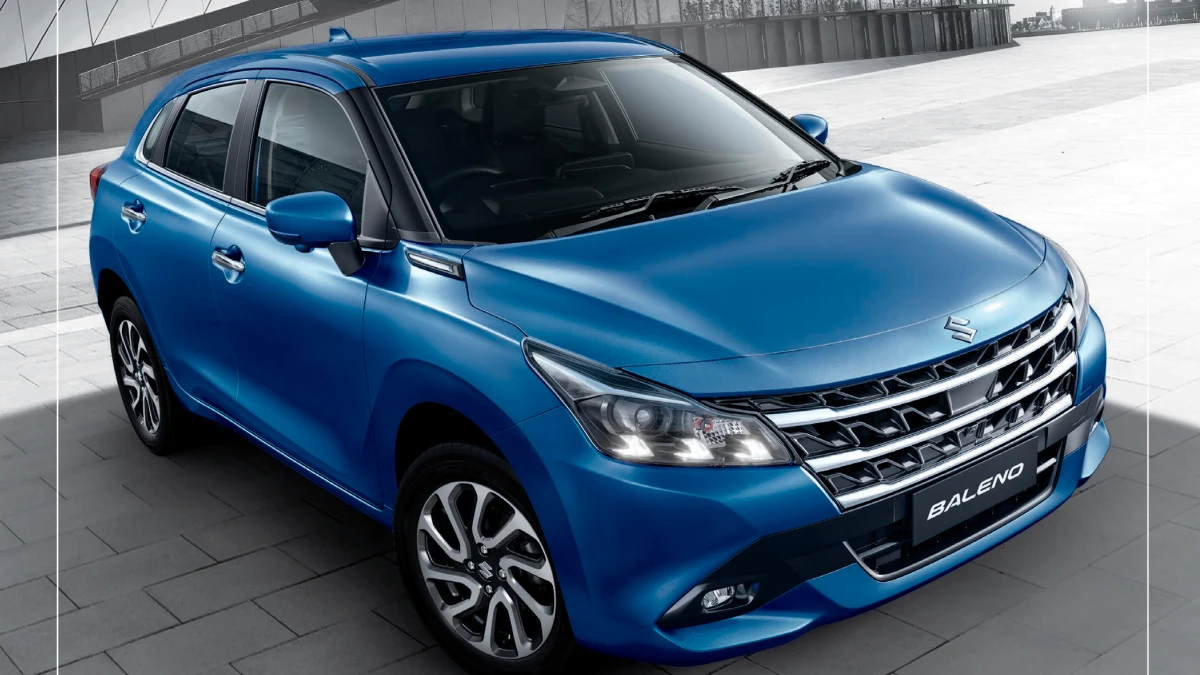
Maruti Suzuki solidified its leadership position by recording 1,65,200 unit registrations, marking a 22.83 percent YoY increase.The automaker expanded its market share to 41.05 percent, up from 38.82 percent in the previous year.Strong demand across its SUV lineup—including the Brezza, Grand Vitara, and Fronx—alongside steady entry-level hatchback sales enabled Maruti to generate twice the volume of its nearest competitor.
Read – 2026 Maruti Baleno Facelift Launched at ₹6.10 Lakh

2. Tata Motors Delivers a 40 Percent Growth Surge
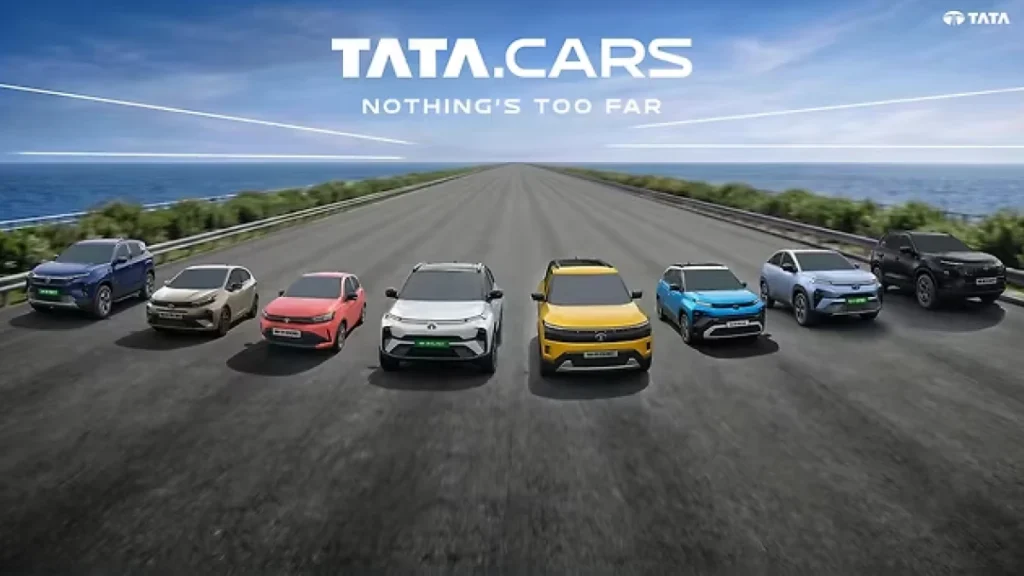
Tata Motors stood out as the fastest-growing major OEM, registering 57,841 units compared to 41,170 units in August 2025. This 40.49 percent YoY surge expanded Tata’s market share to 14.37 percent. The growth was driven by its multi-powertrain strategy, with Punch, Nexon, and Harrier variants across petrol, diesel, CNG, and EV powertrains capturing substantial consumer interest.
3. Mahindra & Mahindra Holds Third Spot via SUV Demand
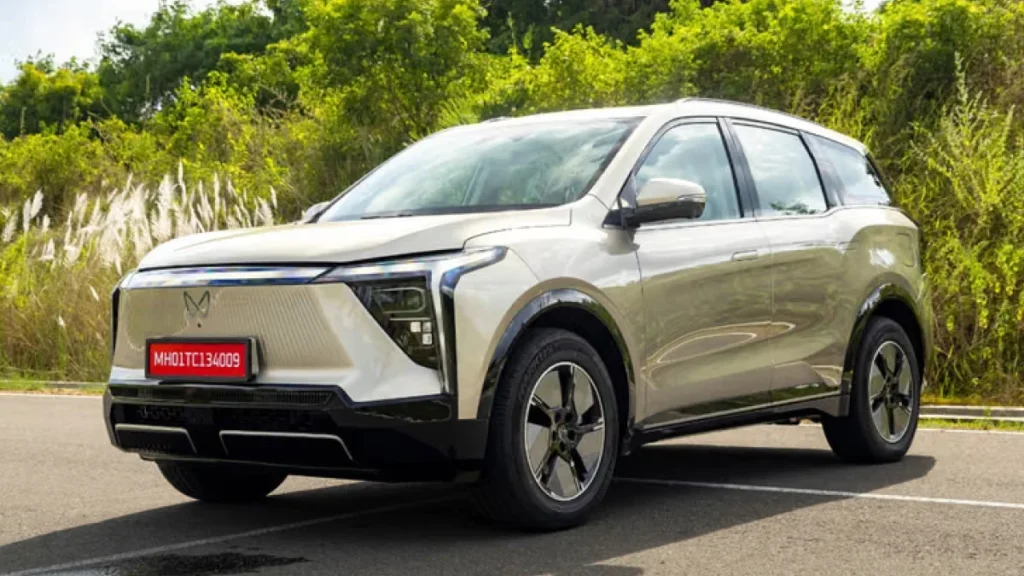
Mahindra retained its third-place ranking with 50,245 retail units, up 6.41 percent YoY. While its overall market share adjusted slightly from 13.63 percent to 12.49 percent, Mahindra’s SUV-focused lineup—led by the Scorpio-N, XUV700, Thar, and XUV 3XO—maintained long waiting lists and healthy order banks.

4. Hyundai Motor India Posts Steady Volumes
Hyundai Motor India registered 46,987 units, recording a modest 4.84 percent YoY growth.Holding an 11.68 percent market share, the company benefited from core utility volume drivers like the Creta and Venue, while preparing refreshed portfolios and localized EV offerings for coming quarters.
5. Toyota and Kia Battle for Fifth Place
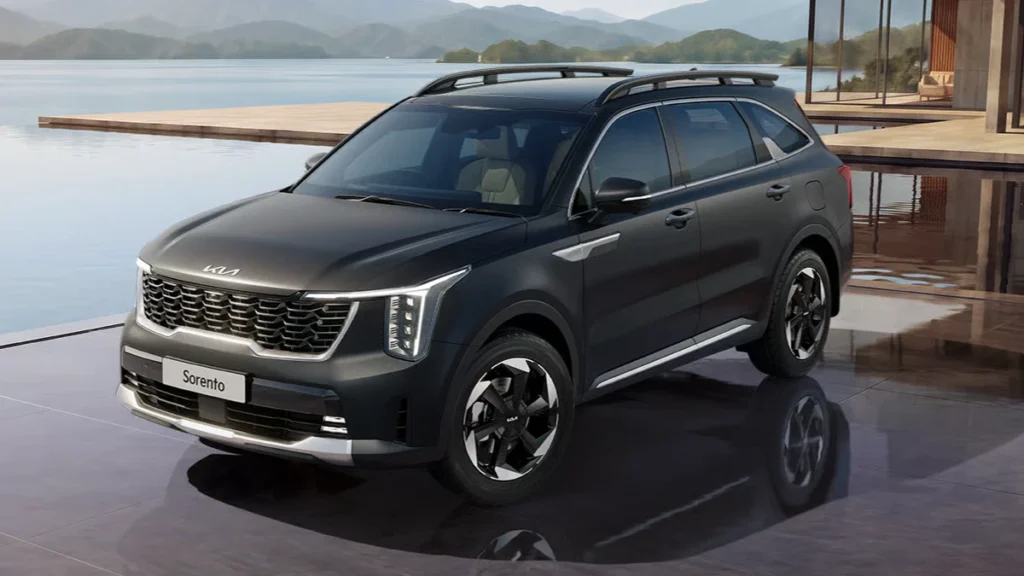
Toyota recorded 24,856 registrations, down 9.94 percent YoY, which dropped its market share to 6.18 percent. Conversely, Kia India gained momentum, registering 23,371 units—a 17.60 percent YoY increase. The volume gap between Toyota and Kia narrowed to just 1,485 units, setting up an intense competition for fifth place during the upcoming festive period.
Read – Kia Sorento India Launched: ₹27.99 Lakh Starting Price, Hybrid & Diesel
Rapid Shift in Engine Powertrains and Fuel Preferences
Beyond total sales volumes, the August 2026 registration data reveals a major shift in fuel choices among Indian car buyers. Traditional unassisted petrol engines lost market share to alternative, low-emission, and hybrid powertrains.
| Fuel & Powertrain Category | August 2026 Market Share (%) | August 2025 Market Share (%) | YoY Share Movement | Key Drivers of Adoption |
| Pure Petrol / Ethanol Blend | 40.85% | 46.37% | -5.52% | Shifting towards factory CNG and hybrid alternatives |
| CNG / LPG | 25.28% | 21.47% | +3.81% | Expansion of factory CNG kits in 3-row MPVs and compact SUVs |
| Diesel | 17.21% | 18.37% | -1.16% | Concentrated primarily in mid-size and full-size ladder-frame SUVs |
| Strong Hybrid | 9.04% | 7.96% | +1.08% | Rising buyer preference for high city fuel efficiency without range anxiety |
| Electric Vehicles (EV) | 7.63% | 5.83% | +1.80% | Expanding charging infrastructure and competitive battery-electric options |
Together, CNG, hybrids, and electric vehicles accounted for nearly 42 percent of all passenger vehicles registered in August 2026, confirming that alternative powertrains are rapidly becoming mainstream choices in the Indian automotive market.
Performance Highlights Among Emerging and Niche OEMs
Several smaller and newly entering manufacturers posted notable volume gains during August 2026:
- Nissan India: Registered 2,758 units, achieving an 83.62 percent YoY growth driven by expanded dealer shipments and new SUV introductions.
- VinFast India: Recorded 2,199 registrations, marking a 48.38 percent month-on-month (MoM) increase over July 2026 (1,482 units) as its retail network expands across urban markets.
- Honda Cars India:Registered 4,968 units, representing a 12.37 percent YoY growth.
Market Outlook for the Upcoming Festive Season
The record-breaking performance in August sets a strong foundation for the automotive industry heading into September and October. With key cultural festivals like Navratri, Dussehra, and Diwali approaching, automakers and dealerships are maintaining healthy inventory levels to handle expected delivery rushes.
Industry analysts expect festive vehicle deliveries to remain strong, supported by new model launches, factory-fitted CNG variants, and promotional finance packages. However, manufacturers will need to carefully balance production schedules against inventory levels to maintain momentum through the final quarter of 2026.

