



For years, the electric vehicle industry has been obsessed with a single metric: range. Automakers have continuously squeezed larger, heavier battery packs into their cars to ease range anxiety. However, the paradigm is shifting. Rather than simply building bigger batteries, Chinese automakers and technology companies are pioneering ultra-fast charging systems designed to make plugging in nearly as fast as pumping petrol.
This dramatic shift from maximizing battery size to minimizing charging time is fundamentally changing how electric vehicles are designed, built, and driven.
Why Bigger Batteries Aren’t Always Better
The “more is better” approach to EV batteries has inherent flaws. The most obvious issue is weight. Larger battery packs add hundreds of kilograms to a vehicle, which negatively impacts energy consumption, handling, and braking distances. A heavier EV essentially has to burn more energy just to move its own bulk.
Furthermore, larger battery packs are incredibly expensive and demand massive amounts of critical raw materials like lithium, nickel, and cobalt. Continuing to scale up battery size is not a sustainable long-term solution for mass-market affordability or environmental impact.
The New Focus: Ultra-Fast Charging
Instead of adding capacity, the new strategy focuses on energy replenishment speed. Imagine pulling into a charging station, plugging in, grabbing a coffee, and driving away five minutes later with an additional 400 kilometres of range. Thanks to recent technological breakthroughs in China, this is no longer a concept—it is a reality.
By developing architectures that support massive power influxes, manufacturers can build lighter, more efficient cars with smaller batteries that are still perfectly suited for long road trips.
How the Technology Works
The secret to these rapid charging speeds lies in a complete overhaul of the vehicle’s electrical architecture.
- High-Voltage Platforms: The industry is moving from standard 400V systems to 800V and even 1000V architectures.
- Megawatt Charging: Automakers are rolling out high-power DC fast chargers capable of delivering 1,000 kW (1 MW) to 1,200 kW of power.
- Advanced Battery Chemistry: New battery ratings (like 10C or 12C) mean batteries can safely absorb enormous amounts of energy incredibly fast without catastrophic overheating.
- Silicon Carbide (SiC) Electronics: These advanced components handle high-power conversion far more efficiently than older silicon chips.
| Feature | The “Big Battery” Approach | The “Ultra-Fast Charging” Approach |
| Primary Goal | Maximize single-charge range | Minimize station downtime |
| Vehicle Weight | Heavy (reduces driving efficiency) | Lighter (improves handling) |
| Material Demand | High (lithium, cobalt, nickel) | Significantly reduced per vehicle |
| Wait Times | 30 to 60+ minutes | 5 to 10 minutes |
| Production Cost | High (tied to pack size) | Lowered by using smaller battery packs |
Which Automakers Are Leading the Charge?
China is currently at the absolute forefront of this charging revolution.
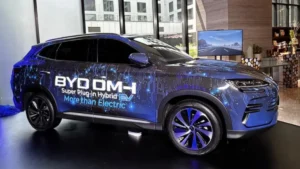
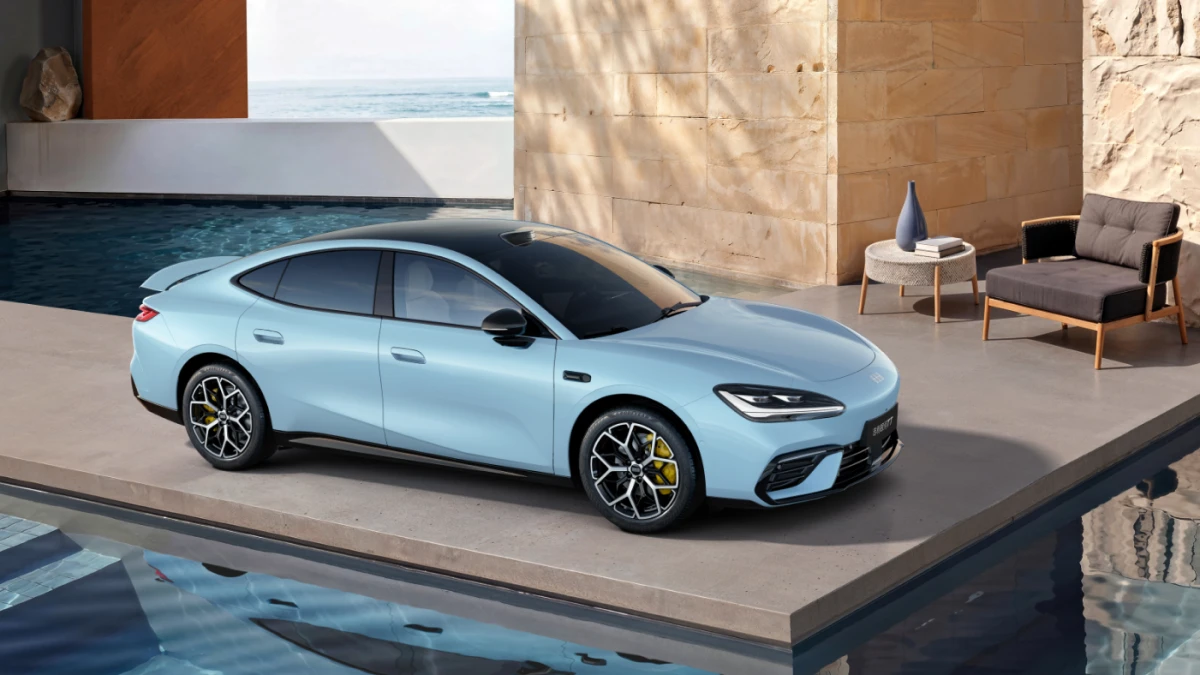
BYD recently unveiled a 1000V “Super e-Platform” alongside megawatt-level chargers. They claim their new setup can add 400 kilometres of range in just five minutes. Zeekr has pushed the envelope even further, launching liquid-cooled ultra-fast charging stations capable of exceeding 1,100 kW of peak power, capable of charging a battery from 10% to 80% in roughly five minutes.
On the supplier side, battery giant CATL has introduced advanced versions of its Shenxing battery, specifically engineered to support extreme 12C charging rates while maintaining thermal stability.
The Benefits and the Roadblocks
The benefits for everyday drivers are massive. Ultra-fast charging effectively kills range anxiety. When a pit stop shrinks from 45 minutes to 5 minutes, electric road trips become indistinguishable from driving a traditional combustion vehicle. Furthermore, because automakers can rely on smaller battery packs, the overall purchase price of EVs could drop.
However, challenges remain. Pumping a megawatt of power into a single car requires massive electrical grid infrastructure upgrades. Automakers must also prove that these batteries won’t suffer from severe long-term degradation after years of aggressive, high-power charging. Lastly, the actual physical charging stations need to be rolled out en masse to make the technology accessible.
The Impact on the Global Market
As Chinese manufacturers set new benchmarks, the rest of the world is taking notes. While global brands like Hyundai and Porsche have successfully implemented 800V systems, the push into megawatt-class passenger charging will force legacy automakers to accelerate their own research and development.
Conclusion
The next major leap in electric mobility isn’t going to come from stuffing massive batteries into the floorboards of cars. It is going to come from dramatically reducing the time it takes to charge them. As Chinese manufacturers push the boundaries of 1000V platforms and megawatt charging, the future of the electric vehicle looks significantly lighter, more efficient, and incredibly convenient. If charging an EV becomes as quick as filling a fuel tank, the biggest barrier to global EV adoption will vanish entirely.
FAQ
What is China’s latest EV breakthrough?
China’s latest EV breakthrough focuses on ultra-fast charging technology (utilizing 800V-1000V platforms and megawatt chargers) rather than simply increasing battery size, aiming to reduce charging times to mere minutes.
Why are bigger EV batteries not always better?
Larger batteries add significant weight, increase vehicle manufacturing costs, require far more raw materials, and ultimately reduce the overall driving efficiency of the vehicle.
How fast can next-generation EVs charge?
Next-generation EV platforms from companies like BYD and Zeekr claim to add hundreds of kilometres of driving range in around 5 to 10 minutes under ideal conditions.
Will faster charging replace larger batteries?
While it won’t entirely eliminate large batteries for niche use cases, faster charging allows manufacturers to use smaller, lighter battery packs while maintaining practicality for the vast majority of drivers.
Why is China leading EV innovation?
China has invested heavily in battery manufacturing, localized supply chains for advanced components, and massive charging infrastructure, making it the world’s most aggressive hub for electric vehicle technology.

