


The Indian two-wheeler market is undergoing a profound structural evolution. For decades, the recipe for success was anchored firmly around basic, fuel-efficient commuter platforms. However, a major post-pandemic surge in disposable incomes, expanding rural infrastructure, and a younger demographic demanding global styling have triggered an unprecedented wave of premiumisation.
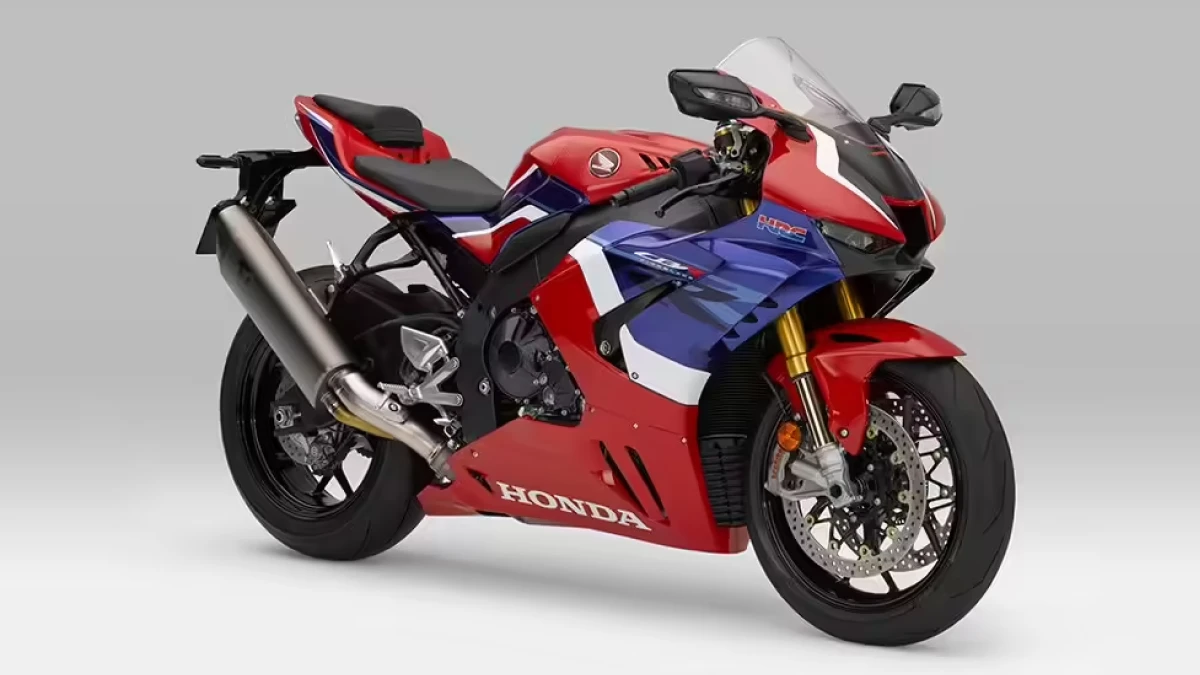
Responding decisively to this market shift, Honda Motorcycle & Scooter India (HMSI) has announced a massive multi-year strategic realignment. The country’s second-largest two-wheeler manufacturer is shifting gears from low-margin commuter dominance to aggressively expanding its premium motorcycle and high-end scooter portfolios. Backed by a colossal investment to scale localized manufacturing capacity to 8 million units annually by 2028, Honda is preparing to unleash an onslaught of mid-capacity machines, electric products, and feature-loaded maxi-scooters tailored specifically for Indian road conditions.
Decoupling the Strategy: Honda’s Premiumization & Capacity Blueprint
Historically, Honda’s immense volume footprint in India relied heavily on entry-level mobility, with a massive 81% of its motorcycle sales squeezed into the 110cc to 125cc commuter brackets. To bridge the gap with premium segment rivals, the brand’s updated roadmap targets localization of global engines, a heavy push into recreational performance, and an expansion of its exclusive BigWing retail network.
The comprehensive structural matrix below outlines HMSI’s current performance baselines, localization targets, and product segments earmarked for this multi-year expansion:
| Strategic Pillar & Segment | Baseline Portfolio Matrix (FY2026 Status) | Post-2026 Premium Expansion Roadmap | Factory Localization & Scale Strategy |
| Mid-Capacity Motorcycles | Dominated by commuter classes; 150cc–350cc makes up just 13% of volume | Launch of 2 to 3 new premium bikes above 200cc, targeting the 350cc–500cc bracket | Transitioning from global parts assembly to deep localized supplier component tooling |
| Premium & Maxi Scooters | Dominated by standard Activa 110/125 models and the Dio lineup | Introduction of advanced, feature-rich 125cc and 150cc global scooter platforms | Adding highly automated new flexible manufacturing lines across key plants |
| Adventure & Lifestyle Mobility | Limited to entry-level crossovers like the CB200X and high-end CB500X imports | Dedicated focus on lightweight and middleweight all-terrain adventure platforms | Integration of advanced R&D validation directly with Indian vendor networks |
| Electrified Two-Wheelers (EVs) | Minimal active market presence in the mass-market electric vehicle segment | Measured rollout of core electric scooters, starting with the Activa e: and global QC1 platforms | Gradual infrastructure-linked production ramp-up to carefully protect residual value |
Shifting the R&D Lens: “Made in India” Gets a Global Meaning
What makes this upcoming product push entirely different from Honda’s historical strategy is a fundamental transformation of its engineering DNA. In the past, premium motorcycles sold via their BigWing outlets were largely developed in Japan or Thailand and brought over with low component localization—resulting in high retail prices.
For this new wave of products, Honda has fundamentally changed its internal Research and Development workflows. The company is now actively designing and engineering global-spec premium models directly out of India, utilizing localized supply chains right from the initial prototyping phase. Commenting on this tectonic shift, Tsutsumu Otani, President, CEO & MD of HMSI, emphasized:
“Our strategy is centered on ‘Make in India.’ We have a wide global portfolio, but introducing products in India requires localization and supplier readiness. We will continue bringing new models step-by-step while improving localization.”
Industrial Re-tooling: The 8-Million Unit Milestone
To support this premium product offensive, Honda isn’t just changing its marketing—it is massively overhauling its manufacturing layout. The company is actively injecting heavy capital to set up brand-new, flexible production lines at its second factory in Tapukara, Rajasthan, alongside extensive expansions at its Vithalapur facility in Gujarat. These new lines are engineered to automatically adapt to fluctuating production shifts between high-volume 125cc scooters and high-displacement motorcycles on the same line. This industrial push will raise Honda’s total annual capacity in India to an unshakeable 8 million units by 2028, transforming the Indian subsidiary into a massive export hub to supply high-quality premium bikes to Europe, Latin America, and Japan.
Dual Portfolios: Embracing Multi-Pathway Technology
While rivals rush blindly into complete electrification, Honda is taking a highly practical, multi-pathway approach to the Indian market. Recognizing that charging infrastructure remains highly uneven across tier-2 and tier-3 cities, the brand firmly believes that Internal Combustion Engines (ICE), alternative bio-fuels (like E20 flex-fuel models), and Battery Electric Vehicles (BEVs) must coexist for the foreseeable future.
As a result, while performance enthusiasts can look forward to mid-capacity cafe racers and scramblers to rival Royal Enfield and Triumph, urban commuters will simultaneously see the arrival of smart electric scooters equipped with swappable battery tech.
Final Takeaway
Honda’s aggressive luxury pivot proves that the Indian two-wheeler market has matured far beyond simple, basic transport. By embedding premium engineering, global aesthetics, and rigorous localization directly into their upcoming 350cc–500cc motorcycle and high-end scooter line, HMSI is building an ecosystem designed to retain aspirational young buyers as they level up their lifestyle.

