



The Indian midsize SUV segment has evolved into an absolute battleground. No longer a straightforward race defined by fuel efficiency or basic cabin space, the segment has broken out into distinct philosophical camps. Buyers are now forced to choose between cutting-edge electric powertrains, unmatched feature packages, old-school mechanical toughness, or precise European driving dynamics.
Four distinct contenders are currently fighting for dominance: the newly launched Tata Sierra (featuring both internal combustion and dedicated EV architectures), the tech-stuffed Kia Seltos, the newly resurrected Renault Duster, and the driving enthusiast’s default, the Skoda Kushaq. Choosing between them requires cutting through the marketing noise to analyze how their platforms actually perform on real-world roads.
Head-to-Head Architecture and Powertrain Metrics
To see how these distinct midsize SUVs stack up structurally and mechanically, we can break down their core baseline specifications side-by-side:
| Strategic Comparison Metrics | Tata Sierra (EV / ICE) | Kia Seltos | Renault Duster | Skoda Kushaq |
| Primary Platform Origin | Dedicated Acti.ev+ / ICE | Hyundai-Kia K2 Matrix | CMF-B Architecture | European MQB-A0-IN |
| Engine / Motor Choices | 63-75kWh Pack / 1.5L Turbo | 1.5L NA, Diesel, & Turbo | 1.0L TCe / 1.3L TCe 160 | 1.0L TSI / 1.5L TSI Evo |
| Peak Performance Output | Up to 665 km Range / 168 hp | 160 hp (1.5L TCe Turbo) | 163 ps (TCe 160 Engine) | 150 hp (1.5L TSI Engine) |
| Transmission Systems | Single-Speed / 6-MT & DCT | 6-MT, iMT, IVT, & 7-DCT | 6-Speed Manual & 6-DCT | 6-Speed Manual & 7-DSG |
| Safety Testing Ratings | 5-Star Expected (Bharat NCAP) | 3-Star Current Rating | 5-Star Rated (Bharat NCAP) | 5-Star Rated (Global NCAP) |
| Core Character Strength | Avant-Garde Luxury & Space | Exhaustive Digital Features | Rugged Shell & Compliance | Steering Feel & Stability |
Tata Sierra: The Avant-Garde Space Capsule
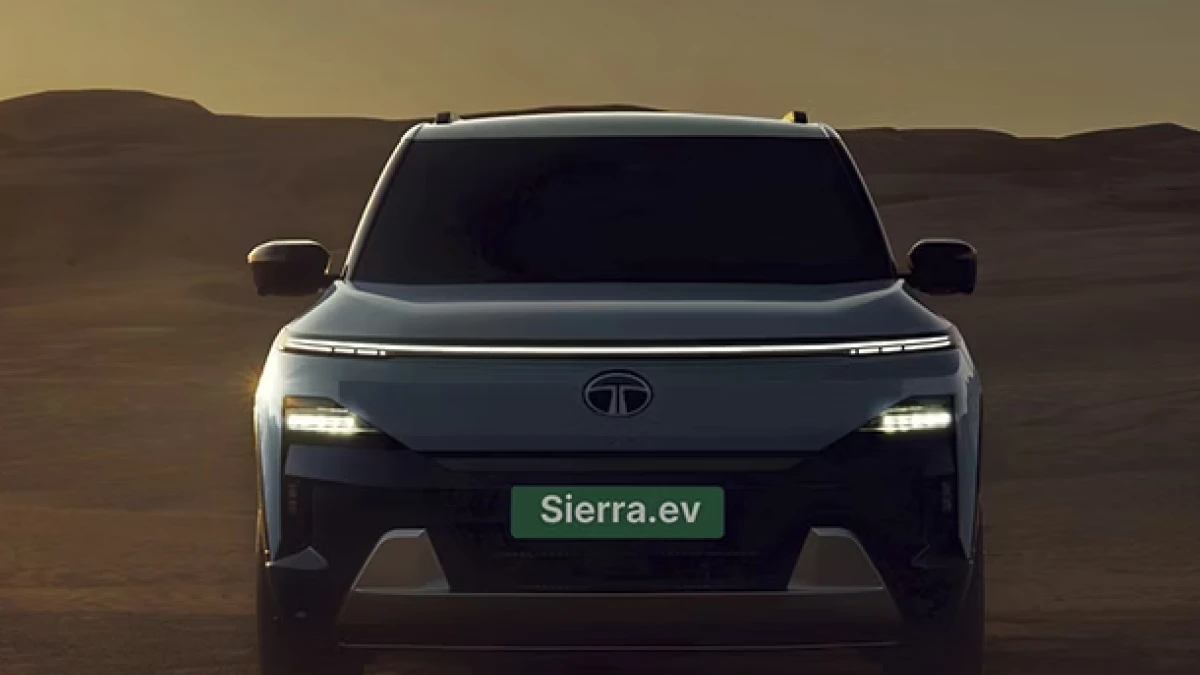
The Tata Sierra brings a legendary heritage name back to life using a deeply futuristic design approach. Sitting on the advanced Acti.ev+ platform, it changes the midsize game by offering a premium dedicated EV version alongside its standard turbo-petrol models.
The inner cabin skips traditional multi-layered dashboard layouts for a clean, minimalist lounge setup. The EV variant features a massive 75kWh battery pack that delivers an incredible real-world range, making it a highly attractive choice for premium buyers looking to make a clean break from gas stations.
- Strengths: Exceptional 5-star crash safety structural engineering, a unique three-screen glass interface layout, and smooth, quiet electric power.
- Weaknesses: Carrying heavy battery packs creates noticeable low-speed stiffness over sharp pavement cracks.
Kia Seltos: The Undisputed Gadget Powerhouse
If your primary priority is having every single piece of modern technology available, the Kia Seltos remains the default option. It continues to lead the segment in cabin features, packing dual 10.25-inch panoramic display screens, ventilated seats, a crisp heads-up display, and a full Level 2 Advanced Driver Assistance Systems (ADAS) radar safety package.
Kia also gives buyers the widest variety of engine choices in the segment, offering refined naturally aspirated petrols, highly efficient diesels, and an energetic 160 hp turbo-petrol unit that delivers effortless highway passing power.
- Strengths: An unmatched standard equipment list, multiple engine configurations, and a smooth dual-clutch transmission.
- Weaknesses: The firm suspension setup transmits jagged road imperfections directly into the cabin when driving at lower speeds.
Renault Duster: The Return of True Toughness
The legendary Renault Duster has made a major comeback, built on the global CMF-B platform and carrying a solid 5-star Bharat NCAP safety rating. It completely skips fragile luxury trim pieces to focus on old-school, rough-road durability.
Powered by a class-leading TCe 160 turbo-petrol engine that pumps out a healthy 163 horsepower, the Duster stands out by offering incredible ride comfort. Its long-travel suspension irons out deep potholes, broken expansion joints, and unpaved trails with absolute ease, making it a fantastic choice for long-distance touring.
- Strengths: Incredible ride quality over rough roads, excellent ground clearance, and a highly durable body shell.
- Weaknesses: The interior design relies on hard cabin plastics that feel a bit basic compared to the tech-focused cabins of its closer rivals.
Skoda Kushaq: The Pure Driving Enthusiast’s Choice
The Skoda Kushaq is engineered with a clear, single-minded focus: outstanding driving dynamics. Built on the localized European MQB-A0-IN platform, this SUV delivers exceptional stability and confident high-speed cornering control that leaves taller, heavier crossovers feeling clumsy by comparison.
The star of the show is the 1.5-litre TSI engine equipped with active cylinder deactivation tech, paired with a lightning-fast 7-speed DSG automatic gearbox. The steering rack feels perfectly weighted and communicative, offering a level of driver engagement that easily satisfies old-school car enthusiasts.
- Strengths: Confident high-speed handling, precise steering feel, and a solid, well-built European cabin structure.
- Weaknesses: A slightly smaller footprint means it offers less rear legroom and less overall cargo volume than the Sierra or the Duster.
The Verdict: Aligning Priorities with Platforms
The choice between these four midsize contenders ultimately comes down to what you value most when you hit the road:
- Choose the Tata Sierra if you want a futuristic, spacious cabin with a highly efficient electric powertrain and top-tier safety.
- Go with the Kia Seltos if you love cutting-edge tech features, seamless digital connectivity, and plenty of engine choices.
- Pick the Renault Duster if you regularly commute over rough roads and need a tough, comfortable SUV that handles abuse with ease.
- Opt for the Skoda Kushaq if you love the open road and want mechanical precision, sharp handling, and a true driver-focused experience.

