


The global automotive landscape is facing a seismic shakeup, and Europe’s largest carmaker is right at the center of the storm. Faced with a perfect storm of slowing electric vehicle sales, intense pressure from hyper-competitive Chinese automakers like BYD, and a massive internal cash crunch, the Volkswagen Group is reportedly exploring radical restructuring strategies.
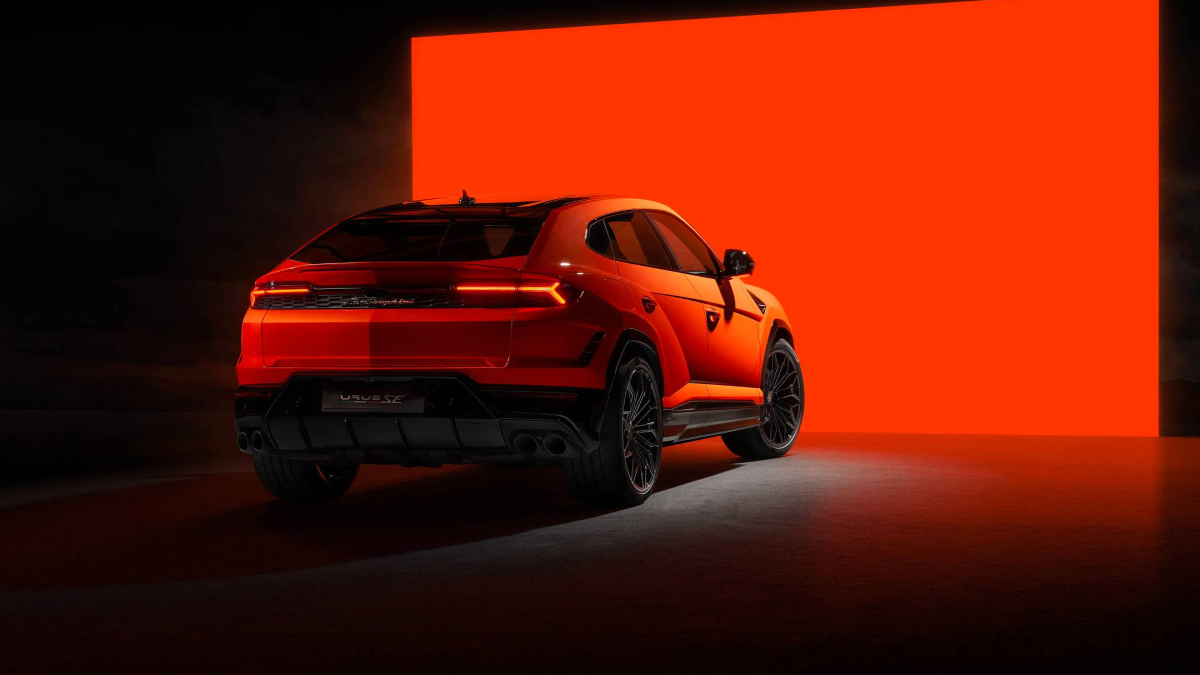
According to high-level industry reports, financial advisers are pushing the German conglomerate to reconsider strategic options for its most prestigious Italian assets: Lamborghini and Ducati. Options being discussed include an outright sale of the iconic motorcycle brand or spinning off the supercar legend via a public stock offering.
Deconstructing the Turnaround: What’s on the Line?
To understand why Volkswagen would even contemplate touching its highly lucrative “crown jewels,” you have to look at the sheer scale of the financial pressure the group faces. The company is currently mapping out one of the largest corporate downsizings in recent history, which reportedly includes closing four factories in Germany and cutting up to 100,000 jobs. Severance payouts and factory retooling alone will require billions of euros in instant liquidity.
The table below breaks down the current market valuation, financial performance, and historical acquisition metrics of these two legendary Italian brands within the VW stable:
| Core Valuation & Operational Metrics | Automobili Lamborghini S.p.A. | Ducati Motor Holding S.p.A. |
| Current Estimated Valuation | Greater than $22 Billion (Bloomberg Intel) | Around $2 Billion |
| Original VW Group Purchase Price | $110 Million (Acquired via Audi in 1998) | $909 Million (Acquired via Audi in 2012) |
| Annual Operating Profit Margin | $888 Million (Recorded Last Fiscal Year) | Solid, High-Premium Profitability |
| Core Structural Parent Company | Audi AG (Volkswagen Group Subsidiary) | Audi AG (Volkswagen Group Subsidiary) |
| Proposed Strategic Maneuver | Initial Public Offering (IPO) / Spin-off | Outright Sale / Divestment |
| Targeted Strategic Use of Funds | Finance next-gen EV platforms & software | Offload non-core asset to streamline capital |
| Key Operational Hurdles | Deeply embedded in VW component sharing | Highly niche market footprint |
The Strategy: IPO vs. Outright Divestment
If Volkswagen decides to pull the trigger, the execution path for each brand looks completely different.
Advisers are pointing toward the highly successful blueprint laid down by Ferrari’s independent IPO in 2015. Instead of selling Lamborghini outright, Volkswagen would likely choose a public listing. This route allows the group to unlock massive liquidity by selling a minority stake to public investors while ensuring Audi retains a controlling interest and operational management.
Ducati, on the other hand, sits on a different block. As a premium motorcycle manufacturer, it operates outside of VW’s core four-wheeled automotive ecosystem. Selling Ducati completely would be a far less complicated process structurally, and it would immediately attract massive attention from global private equity firms or major multi-brand industrial groups.
The Skeptic’s View: Why a Sale Might Backfire
The Profit Trap: Many industry analysts remain highly skeptical that an outright sale will actually happen. Lamborghini and Ducati are not struggling; they consistently generate some of the highest profit margins within the entire Volkswagen Group. Selling them off to clear short-term restructuring debt means losing reliable, premium revenue streams that are actively helping support the company’s less profitable mass-market brands.
The Parts Bin Dilemma: Unlike a standalone entity, Lamborghini is deeply integrated into the Volkswagen Group’s engineering network. Its modern platforms, carbon-fiber manufacturing techniques, and electronic architectures are shared directly with Audi and Porsche. Severing this corporate umbilical cord under a completely new owner would introduce massive supply-chain headaches.
The Verdict
While the Volkswagen Group has chosen not to comment directly on the ongoing market speculation, the fact that these discussions are happening at all speaks volumes about the immense pressure hitting legacy European car manufacturers. Whether Lamborghini goes public or Ducati finds a new home, the reality is clear: the massive bills coming due for the global EV transition are forcing even the biggest automotive titans to make incredibly difficult choices.

