


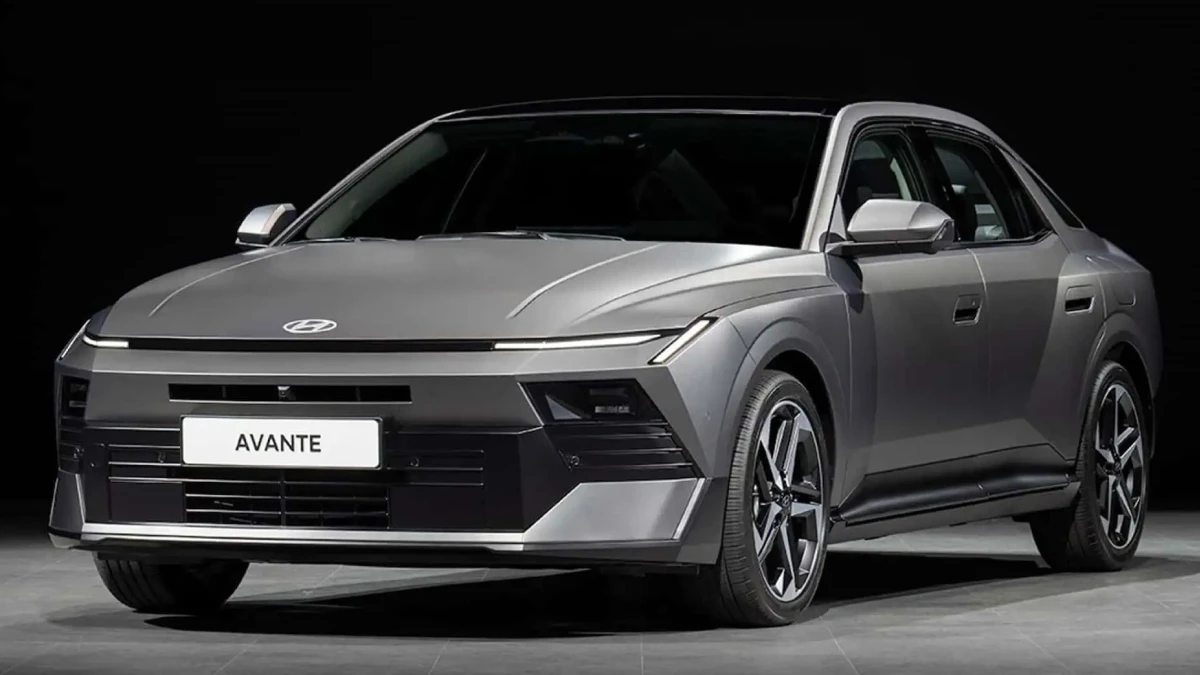
For the past few years, the automotive narrative has been entirely dominated by SUVs. Compact sedans, once the absolute backbone of global car sales, were largely pushed to the sidelines. But if anyone can breathe massive excitement back into the traditional three-box silhouette, it is Hyundai. Unveiled at the 2026 Busan International Mobility Show, the all-new, eighth-generation Hyundai Elantra (badged as the Avante in its home market) has made its official global debut.
Moving away from the busy, origami-like creases of the previous model, this latest iteration distances itself from its humble roots. It adopts a highly mature, technology-driven, and decidedly premium stance aimed straight at the future of software-defined vehicles.
“Art of Steel” Philosophy Outmuscles the Competition
Visually, the eighth-generation Elantra introduces Hyundai’s new “Art of Steel” design language. The frontend is heavily inspired by the brand’s recent clean-cut concept cars, utilizing an ultra-svelte split-headlamp layout. High-mounted, T-shaped LED daytime running lamps stretch across a low, wide nose, while the main rhomboidal LED headlamps sit integrated lower down within a heavily sculpted front bumper.
The side profile is where the vehicle’s dramatic growth spurt becomes truly obvious. To carve out midsize sedan luxury from a compact footprint, Hyundai stretched the car in every critical direction. A new rear quarter glass panel has been added behind the rear doors, creating a flowing, low-slung fastback silhouette that stretches seamlessly into an integrated ducktail-style rear spoiler.
The Compact Sedan Evolution Matrix
With its increased dimensions and premium cabin tech, the new Elantra effectively moves a half-step up in class, sharpening its claws against iconic segment rivals:
| Vehicle Generation & Model | Wheelbase / Length | Base Engine Spec | Advanced Powertrain Option | Core Infotainment Display | Standout Technology / Safety Feature |
| Hyundai Elantra (8th Gen) | 2,750 mm / 4,765 mm | 2.0L NA Petrol (147 hp) | 1.6L Self-Charging Hybrid (155 hp) | 14.6-Inch Touchscreen (Pleos) | Gleo AI Assistant & Pedal Misuse Safety |
| Honda Civic (11th Gen) | 2,735 mm / 4,674 mm | 2.0L NA Petrol (158 hp) | 2.0L Dual-Motor Hybrid (200 hp) | 9.0-Inch Center Screen | Honda Sensing ADAS, Physical Climate Knobs |
| Toyota Corolla Sedan | 2,700 mm / 4,630 mm | 2.0L Dynamic Force | 1.8L Fifth-Gen Hybrid (138 hp) | 10.5-Inch Toyota Smart Connect | Toyota Safety Sense 3.0, E-Four AWD |
| Skoda Octavia (Facelift) | 2,686 mm / 4,689 mm | 1.5L TSI Mild-Hybrid | 2.0L TDI / Plug-in Hybrid | 13.0-Inch Floating Screen | Matrix LED Headlights, Turn Assist |
Step Inside the Software-Defined Cockpit
The interior has been completely wiped clean and redesigned from scratch, shifting toward an ultra-clean, minimalist layout inspired by modern architecture. The headline feature is the massive 14.6-inch main touchscreen infotainment display running Hyundai’s next-generation Pleos Connect platform. This Android Automotive-based operating system features its own integrated app ecosystem and introduces Gleo AI—a highly sophisticated, generative AI voice assistant capable of handling continuous, natural language conversations.
Crucially, the digital gauge cluster has been separated into its own slim, 9.9-inch island positioned high up near the base of the windshield, keeping vital driving data directly within the driver’s natural line of sight.
Thankfully, Honda and Hyundai share a common philosophy here: don’t bury everything in touch menus. The center console proudly retains a dedicated, tactile row of physical buttons and dials for core climate controls, media volume, and emergency hazard lights.
Smarter Hybrids and Electric-Only “Stay Mode”
Under the hood, global markets will continue to receive the standard 2.0-litre naturally aspirated four-cylinder petrol engine pushing out 147 horsepower via an intelligent CVT automatic. However, the real engineering marvel centers around the heavily updated 1.6-litre self-charging hybrid variant, now tuned to develop a combined 155 horsepower.
The hybrid introduces an upgraded Smart Regenerative Braking 3.0 system that dynamically alters its deceleration force based on real-time navigation mapping and traffic flow ahead. Even more impressive is the debut of “Stay Mode.” Borrowing tech directly from Hyundai’s Ioniq EV lineup, Stay Mode allows occupants to comfortably run the heavy-duty climate control and high-end 14.6-inch infotainment systems exclusively off the main hybrid traction battery while parked, keeping the petrol engine completely silent and emissions-free.
A New Benchmark for Safety
On the safety front, the eighth-generation Elantra comes armed with a standard 10-airbag system alongside a highly comprehensive Level 2+ Advanced Driver Assistance Systems (ADAS) suite. The updated package introduces Navigation-based Smart Cruise Control 2, which automatically tempers vehicle speed when approaching sharp intersections, speed breakers, or designated speed-camera zones.
Additionally, a clever new hardware safeguard called Pedal Misuse Safety Assist instantly cuts power and overrides throttle inputs to apply emergency braking if it detects the driver frantically stamping on the accelerator pedal instead of the brake by mistake. With its aggressive stance and bleeding-edge digital architecture, the eighth-generation Elantra proves that the classic sedan still has plenty of fight left.

