





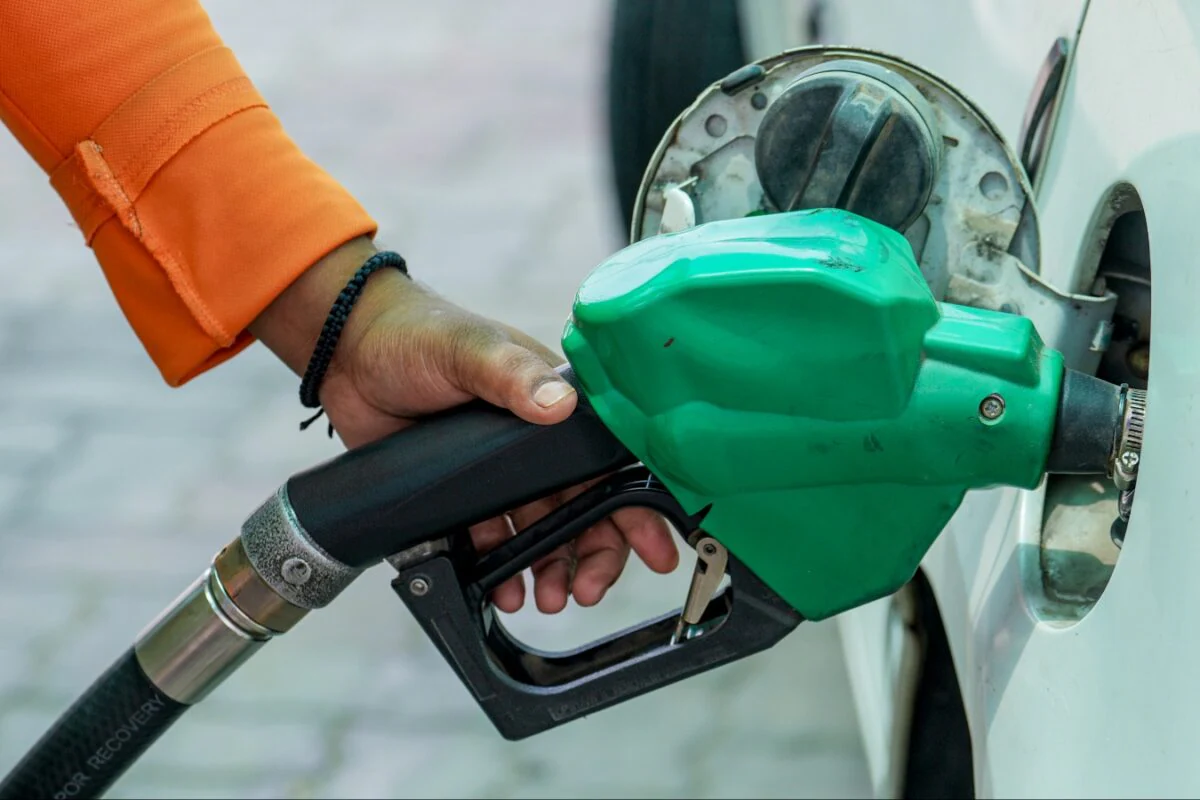
The rapid transition of the Indian retail fuel network toward higher biofuel concentrations has emerged as one of the largest structural shifts in the country’s energy footprint. Managed under the ambitious Ethanol Blended Petrol (EBP) framework, E20 petrol—a blend comprising 20% fuel-grade ethanol and 80% conventional fossil-derived petrol by volume—is now widely distributed at retail outlets nationwide.
Following a series of viral social media debates regarding potential engine wear and sudden component failures, the Ministry of Petroleum and Natural Gas, alongside the Press Information Bureau (PIB), issued official technical clarifications confirming that E20 fuel is thoroughly validated, continuously tested, and mechanically safe for all fully compatible modern vehicles.
The Safety Clearance: Debunking Engine Failure Myths
The central government’s recent public defense of the EBP framework focuses heavily on clearing up common misconceptions about fuel stability. Official tracking reports compiled across public sector Oil Marketing Companies (OMCs) note that no widespread instances of mechanical engine failure or fuel-system breakdowns have been directly linked to standard E20 usage since its deployment.
To combat rumors that industrial bio-ethanol retains residual organic elements that attract insects or form corrosive sludge within fuel caps, the government emphasized that fuel-grade ethanol undergoes strict molecular distillation and industrial processing to match stringent Bureau of Indian Standards (BIS) parameters.
Furthermore, the oil ministry explicitly rejected recent online claims that using standard E20 petrol would automatically invalidate vehicle insurance policies. Following official consultations with the Insurance Regulatory and Development Authority of India (IRDAI) and leading general insurers, the state confirmed that using standard retail fuel does not impact policy claims or create any form of owner liability.
The Thermal Efficiency Trade-Off: Understanding the Drop in Mileage
While the government has successfully addressed structural safety and insurance concerns, the real-world impact on consumer economics remains a primary topic of discussion. The underlying issue comes down to basic chemical engineering: ethanol possesses a significantly lower energy density than pure fossil petrol. Pure ethanol contains roughly 21.2 Megajoules per liter (MJ/L) of energy, whereas unblended petrol delivers around 32.4 MJ/L—representing a thermal energy deficit of nearly 34% per unit volume for the biofuel component.
When integrated into a standard 20% blend, this lower energy density alters overall fuel consumption profiles. Official data from government testing agencies shows a minor efficiency drop of 1% to 2% for newly manufactured, BS6 Phase 2 vehicles that feature factory-optimized electronic control unit (ECU) fuel mapping specifically designed for E20.
However, independent real-world consumer surveys paint a more challenging picture for older vehicles. For petrol cars and two-wheelers manufactured in 2022 or earlier—originally calibrated for lower E5 or E10 blends—the lower energy density forces the engine’s fuel injectors to remain open longer to maintain correct air-fuel ratios. This results in a noticeable real-world mileage drop ranging from 6% to over 15%, which directly translates to higher refueling costs for commuters.
Comparative Fuel Dynamics: Pure Petrol vs. E20 Blends in India
The structural shift from raw fossil petrol to high-concentration ethanol blends creates a distinct set of operational, financial, and environmental trade-offs, as detailed in the performance matrix below.
| Fuel Performance & Economic Parameters | Conventional Pure Petrol (E0 Base) | Standard Retail E20 Petrol Blend | Net Impact on Vehicle Owners & National Reserves |
| Volumetric Energy Density | ~32.4 Megajoules / Liter | ~30.1 Megajoules / Liter | ~7.1% lower raw thermal energy content per liter |
| Official Projected Mileage Shift | Baseline Reference Profile | ▼ 1.00% to 6.00% Decline | Regulated drop based on vehicle manufacturer year |
| Real-World Consumer Survey Drop | Baseline Reference Profile | ▼ 6.00% to 15.00%+ Decline | Most noticeable in older pre-2023 car models |
| Corrosive & Moisture Behavior | Hydrophobic (Repels Water) | Hygroscopic (Attracts Water) | Requires active fuel tank seals to avoid moisture |
| National Foreign Exchange Savings | Null (High Import Bill Outflow) | Over ₹1,40,000 Crore Saved | Substantial reduction in international oil imports |
| Agricultural & Rural Income Impact | Zero Direct Impact to Farmers | Sustained Demand Generated | Benefits sugarcane, maize, and broken rice farmers |
| In-Cylinder Octane Performance | ~91 Octane (Standard Grade) | ~94 to 95 Octane Rating | Higher natural anti-knock properties during combustion |
Strategic Market Takeaway
The nationwide rollout of E20 fuel highlights the balancing act between macro-economic goals and micro-economic consumer realities. From a national perspective, saving over ₹1.4 lakh crore in foreign exchange while creating a robust domestic market for sugarcane and grain farmers is a massive win for energy security.
For the everyday driver, however, the trade-off requires tracking real-world fuel economy. While modern cars are structurally protected against corrosion and moisture issues, owners of older vehicles must account for a moderate drop in mileage, making fuel efficiency an important metric to watch as India targets even higher ethanol blending levels in the future.
To better understand how these energy density differences and chemical properties impact your everyday driving costs, check out this analytical breakdown: Is E20 Petrol Worth The Risk? The Truth About Ethanol. This video outlines the underlying economics of the policy, the mechanical differences between traditional petrol and biofuels, and what the transition means for vehicle longevity and running costs.

