


The narrative surrounding India’s electric vehicle (EV) transition has long been dominated by early movers. For the past few years, the narrative has firmly positioned Tata Motors as the undisputed volume king, with Mahindra & Mahindra and JSW MG India aggressively fighting for the remaining podium spots.
However, the opening half of 2026 has delivered a massive wake-up call to the industry. According to the latest retail registration numbers spanning January to May 2026, Maruti Suzuki has rapidly climbed the ladder to secure a definitive spot among the country’s top five electric vehicle manufacturers.
What makes this milestone so remarkable is the sheer speed of execution. As a brand that deliberately delayed its entry into the pure battery-electric vehicle (BEV) space to perfect its localized supply chains, Maruti Suzuki has managed to outpace established global players like Hyundai, Kia, and BYD in a matter of months.
              India EV Market Positioning (Jan-May 2026)
┌────────────────────────────────────────────────────────────────────────┐
│ 🥇 Market Leaders (Top 2)      👉 Tata Motors & Mahindra (60% Share)   │
├────────────────────────────────────────────────────────────────────────┤
│ 🚀 The Breakthrough Entrant    👉 Maruti Suzuki (4,365 Units Registered)│
├────────────────────────────────────────────────────────────────────────┤
│ 📉 Outpaced Competitors        👉 VinFast (4,133), BYD, Hyundai, Kia   │
└────────────────────────────────────────────────────────────────────────┘
The Single-Model Wonder: Driving Growth via the e Vitara
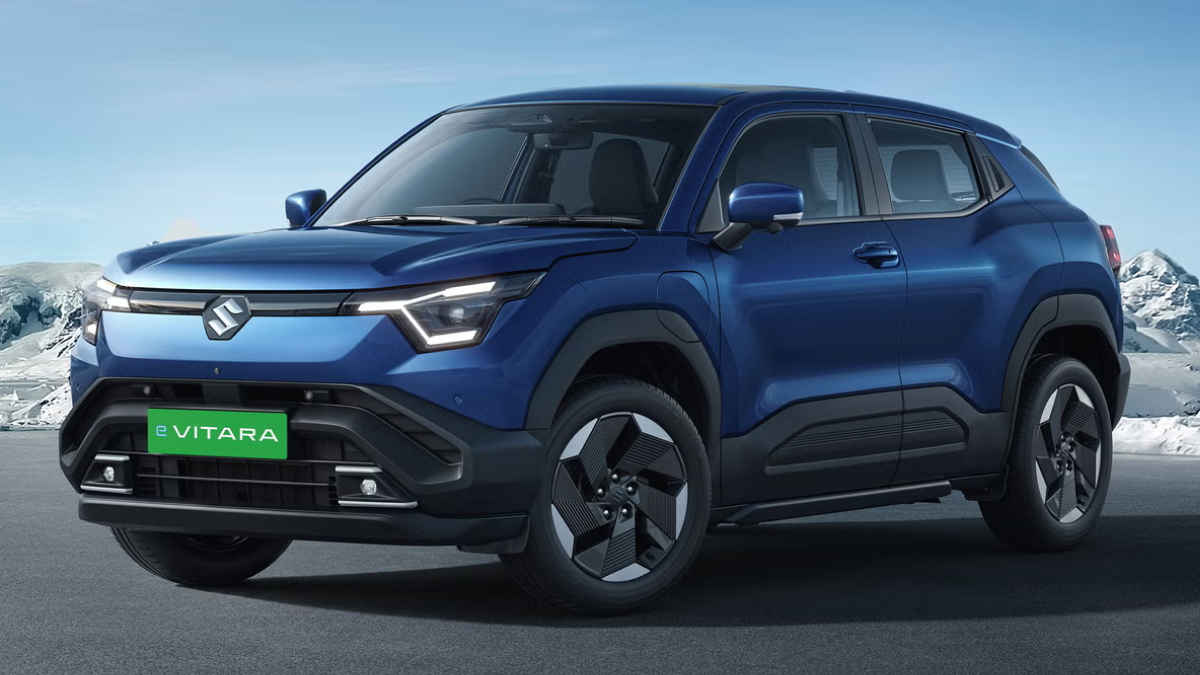
Unlike its direct rivals who field vast electric portfolios consisting of multiple hatchbacks, sedans, and commercial cargo variants, Maruti Suzuki’s explosive market entry relies entirely on a single flagship product: the e Vitara midsize e-SUV.
Unveiled globally as a purpose-built electric vehicle rather than a converted internal combustion chassis, the e Vitara officially opened for domestic sales in February 2026. In its first full month of operations alone, the model clocked an impressive 870 units. By the end of May, cumulative domestic deliveries reached 4,365 units, narrowly edging past new premium entrants like VinFast, which registered 4,133 units.
                           The e Vitara Formula
┌──────────────────────────────────────┐┌──────────────────────────────────────┐
│       Dual Battery Layouts           ││      Innovative BaaS Model           │
│ Offered in 49 kWh (440 km range) and ││ Lowering the initial purchase gate   │
│ 61 kWh (543 km range) configurations.││ to ₹10.99 Lakh via battery rentals.  │
└──────────────────────────────────────┘└──────────────────────────────────────┘
The consumer rush is heavily tied to Maruti’s disruptive financial packaging. By introducing an aggressive Battery-as-a-Service (BaaS) subscription model alongside conventional retail prices (which range from ₹15.99 Lakh to ₹20.01 Lakh), Maruti managed to lower the initial acquisition gate of the base Delta variant to a stunning ₹10.99 Lakh. This successfully removed the “EV premium price tax” that historically turned away price-sensitive Indian buyers.
Leveraging the Network: The Unfair Advantage
While product design and aggressive pricing get customers into the tent, Maruti’s massive scaling capability comes down to its unmatched institutional infrastructure. Moving an emerging technology like electric mobility out of tier-1 metro locations requires a profound level of consumer trust and physical touchpoints.
Maruti Suzuki has systematically deployed its premium Nexa and Arena dealership channels to support the e Vitara rollout. Furthermore, the company has tackled charging anxiety head-on by executing partnerships with 13 independent charge-point operators. This has already established a footprint of over 2,000 exclusive charging points across 1,100 cities, with a corporate blueprint targeting 100,000 public and private charging nodes by 2030.
| Performance Metric | Maruti Suzuki e Vitara | Mass-Market EV Segment Average |
| Jan-May 2026 Sales | 4,365 Units | ~1,500 – 2,500 Units |
| Entry Price (with BaaS) | ₹10.99 Lakh | ₹12.50 Lakh – ₹15.00 Lakh |
| Bharat NCAP Safety | 5-Star Rating | Variable (3 to 5 Stars) |
| Monthly Production Cap | ~2,000 Units (Restricted) | Unconstrained / Demand-Led |
Navigating Supply Constraints and the Road Ahead
Despite breaking into the top tier, Maruti Suzuki’s leadership notes that its current volume represents only a fraction of its true market potential. Demand has surged dramatically, with fresh bookings nearly doubling in May to cross the 4,000-unit mark.
Currently, domestic volumes are heavily constrained by local manufacturing limits, as the plant maintains a steady output of roughly 2,000 units per month while simultaneously managing high-volume export orders to over 46 global markets. A major production expansion slated for August and September 2026 is expected to unlock these supply bottlenecks.
Why This Matters: Maruti Suzuki’s meteoric rise signals a permanent structural shift in India’s automotive landscape. It proves that the “late-mover disadvantage” can be entirely nullified if a manufacturer possesses ironclad brand equity, a localized supply chain, and an aggressive, alternative financing model like BaaS.
As production lines prepare to ramp up capacity ahead of the festive season, the battle for India’s electric future is no longer a predictable corporate monologue—it is a fierce, multi-player dogfight.

