





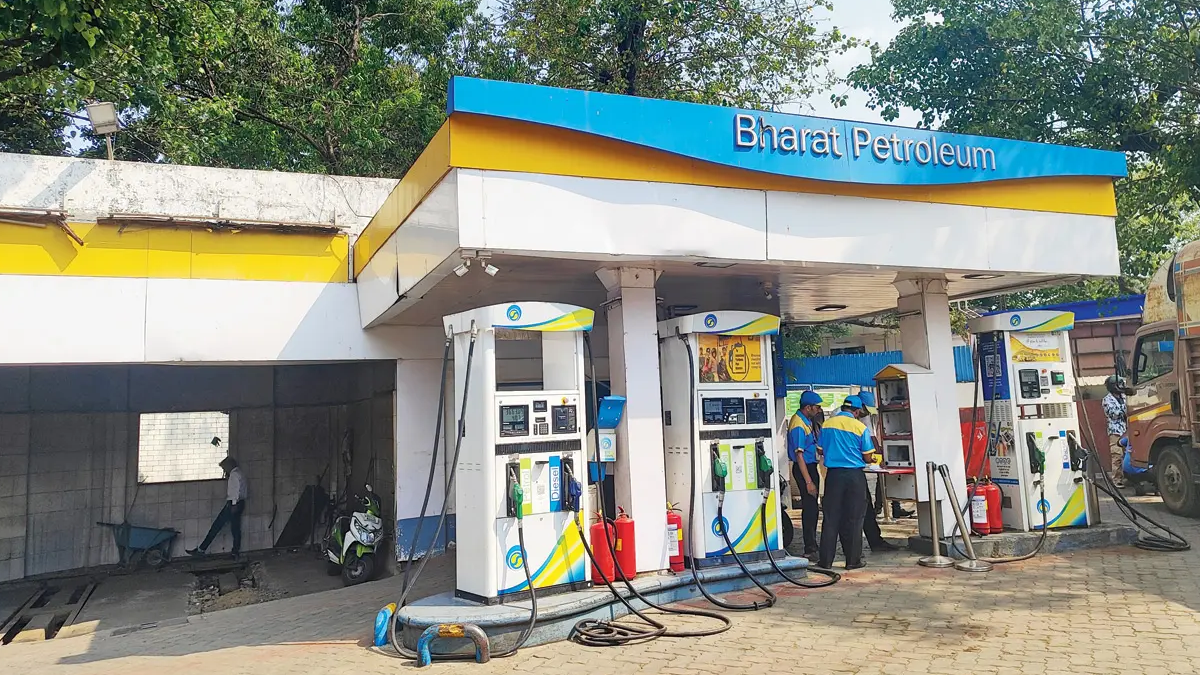
The Indian government has just fired the starting gun for the next phase of its energy revolution. On April 27, 2026, the Ministry of Road Transport and Highways (MoRTH) issued a landmark draft notification that formally proposes the introduction of E85 and E100 fuel blends into the Central Motor Vehicles Rules.
This isn’t just a minor update; it is a massive leap from the current E20 standard, signaling India’s intent to become a global leader in flex-fuel technology. By allowing vehicles to run on nearly pure ethanol, India is taking a direct swing at its 90% dependence on crude oil imports.
1. The Numbers: What are E85 and E100?
To understand the scale of this move, we have to look at the alcohol-to-petrol ratio.
- E85: A heavy-duty blend consisting of 85% ethanol and only 15% petrol.
- E100: Virtually pure ethanol, used as a standalone transport fuel.
- The Transition: This follows the successful nationwide rollout of E20 (20% ethanol) on April 1, 2026. The government is now updating regulatory definitions to treat these higher blends as standard fuel grades rather than “experimental” additives.
2. The Flex-Fuel Necessity
You cannot simply pour E85 into a standard 2024 Maruti or Hyundai. Ethanol is highly hygroscopic (it attracts water) and corrosive to standard rubber seals and aluminum fuel lines.
To bridge this gap, the draft notification paves the way for Flex-Fuel Vehicles (FFVs). These cars are equipped with specialized sensors that detect the ethanol-to-petrol ratio in real-time, automatically adjusting the engine’s ignition timing and fuel injection. While manufacturers like Toyota and Maruti Suzuki have already showcased FFV prototypes, this legal framework is the “green light” they needed for mass production.
3. The Economic and Environmental Trade-off
Why the aggressive push? The strategy is built on three pillars, but it comes with a significant consumer caveat.
| Benefit / Challenge | Impact on India |
| Energy Security | Insulates the economy from West Asia’s oil volatility. |
| Emissions | Drastic reduction in Carbon Monoxide (CO) and Hydrocarbons (HC). |
| Farmer Income | Diverts surplus sugarcane and grain (maize) into the energy value chain. |
| Mileage Drop | The Catch: Ethanol has roughly 30% less energy density than petrol. E85 users may see a 15-20% drop in fuel efficiency. |
4. Why This Matters Now
Union Minister Nitin Gadkari has been vocal about India’s “Aatmanirbhar” (self-reliant) energy goals. With global crude prices hovering near $100 per barrel due to ongoing international conflicts, the ability to “grow” fuel domestically is no longer just an environmental goal—it is a fiscal necessity.
The government has also updated the definitions for biodiesel (B100) and Hydrogen-CNG, effectively creating a “multi-fuel” regulatory environment that encourages manufacturers to diversify away from pure fossil fuels.
The Verdict
The E85/E100 draft notification is a bold “Stage 2” for India’s mobility. However, the success of this policy won’t be measured by the law itself, but by the GST rationalization for Flex-Fuel vehicles. Currently, FFVs face significantly higher taxes than EVs. For the “ethanol dream” to work, the government will need to make these high-blend cars as affordable for the middle class as the fuel they burn.

