


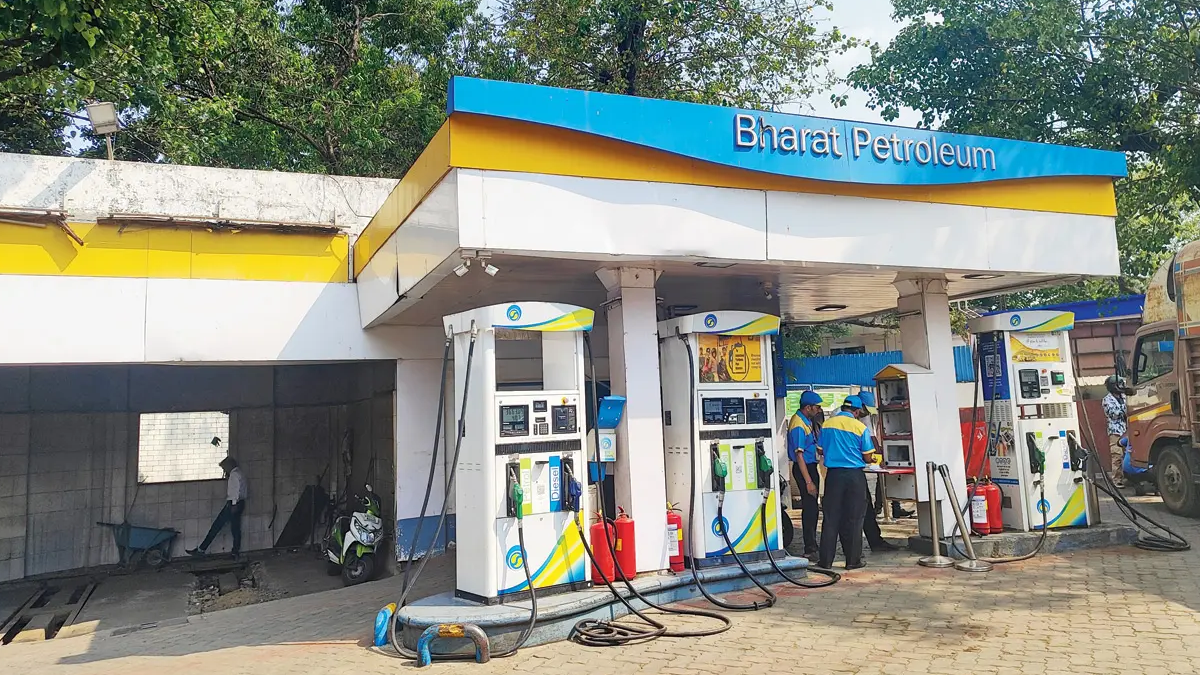
The roadmap for India’s automotive fuel is changing faster than ever. If you have visited a petrol pump recently, you might have noticed small stickers on the dispensing nozzles reading “E20.” This signifies that the fuel contains a 20% blend of ethically sourced ethanol with 80% conventional petrol. However, the government isn’t stopping there.
In a significant regulatory directive, India’s Ministry of Petroleum and Natural Gas officially ordered the Automotive Research Association of India (ARAI) to begin rigorous evaluation and material-compatibility testing for a higher E25 fuel standard.
This proactive step signals a major push toward deeper decarbonization, but it also raises important engineering questions for vehicle owners nationwide.
Decoding the Numbers: What is E25 Fuel?
At its core, E25 fuel is a specialized blend consisting of 25% ethanol and 75% unleaded petrol. Ethanol is a plant-based biofuel typically distilled from agricultural byproducts like sugarcane molasses, broken food grains, and agricultural waste.
To understand the difference between E10, E20, and E25, it helps to look at chemical properties. As the number increases, the oxygen content within the fuel rises. This alters the combustion dynamics inside the engine, requiring precise adjustments to the air-fuel ratio managed by the vehicle’s Electronic Control Unit (ECU).
Why Is the Government Pushing for Higher Blends?
The aggressive drive toward E25 is fueled by a mix of economic strategy and environmental policy. India currently imports over 85% of its crude oil requirements, placing a massive strain on foreign exchange reserves. By scaling up domestic ethanol production, the government can substitute billions of dollars of imported oil with fuel grown by Indian farmers.
Furthermore, ethanol burns much cleaner than pure fossil fuels. Transitioning from E20 to E25 reduces tailpipe emissions of harmful pollutants like carbon monoxide (CO) and hydrocarbons, helping the country progress toward its long-term net-zero climate commitments.
The Chemical Risk: Possible Impact on Existing Engines
While the environmental benefits are clear, increasing ethanol concentrations introduces real engineering challenges. Ethanol is highly hygroscopic, meaning it naturally absorbs moisture from the surrounding air. When water mixes with ethanol inside a fuel tank, it can separate from the petrol—a process known as phase separation—leading to erratic engine performance or stalling.
More importantly, ethanol is highly corrosive to certain materials. It aggressively attacks standard rubber hoses, plastic seals, and aluminum components found in older fuel delivery systems.
Without proper material upgrading, running high-ethanol blends through incompatible engines can cause fuel lines to degrade over time, clogged fuel injectors, or premature fuel pump failure.
Fuel Efficiency and the Mileage Trade-Off
Another critical factor under discussion is the impact on fuel economy. Ethanol has a lower energy density than pure petrol, containing roughly one-third less energy per unit volume.
Consequently, as the ethanol percentage increases from E10 to E25, the engine must consume more fuel to generate the exact same amount of power. Real-world testing indicates that vehicles optimized for E20 can experience a 3% to 5% drop in mileage when running on E25 fuel, unless the engine’s compression ratio is specifically altered to leverage ethanol’s higher octane rating.
The Critical Role of ARAI and Testing
This efficiency and material challenge is precisely why the government has brought in the Automotive Research Association of India (ARAI). The research body is currently conducting comprehensive long-term testing to map out exactly how E25 impacts powertrain hardware.
ARAI’s mandate includes running endurance cycles on test benches to observe component wear, evaluating cold-start reliability in diverse climates, and determining what mechanical modifications automakers must implement to achieve full E25 compliance without sacrificing vehicle reliability.
The Road Ahead: Risks for Older Vehicles & Flex-Fuel Future
The rollout of E25 poses the greatest risk to older, legacy vehicles built before the implementation of E20 material standards. If E25 becomes the default fuel choice at local pumps, older cars and motorcycles could face accelerated fuel-system degradation. To protect these consumers, the automotive industry will likely need to maintain a multi-fuel dispensing strategy, ensuring older, non-compliant vehicles still have access to lower blends.
Looking further ahead, the ultimate goal of India’s biofuel policy is the widespread adoption of Flex-Fuel Vehicles (FFVs). Unlike standard cars tuned for a specific blend, true Flex-Fuel vehicles feature specialized fuel sensors and modified injection systems capable of running on any configuration from E20 all the way up to E85 (85% ethanol). By using E25 evaluation as a stepping stone, India is steadily building the industrial and agricultural foundation needed for a highly adaptable, self-reliant transport ecosystem.

