




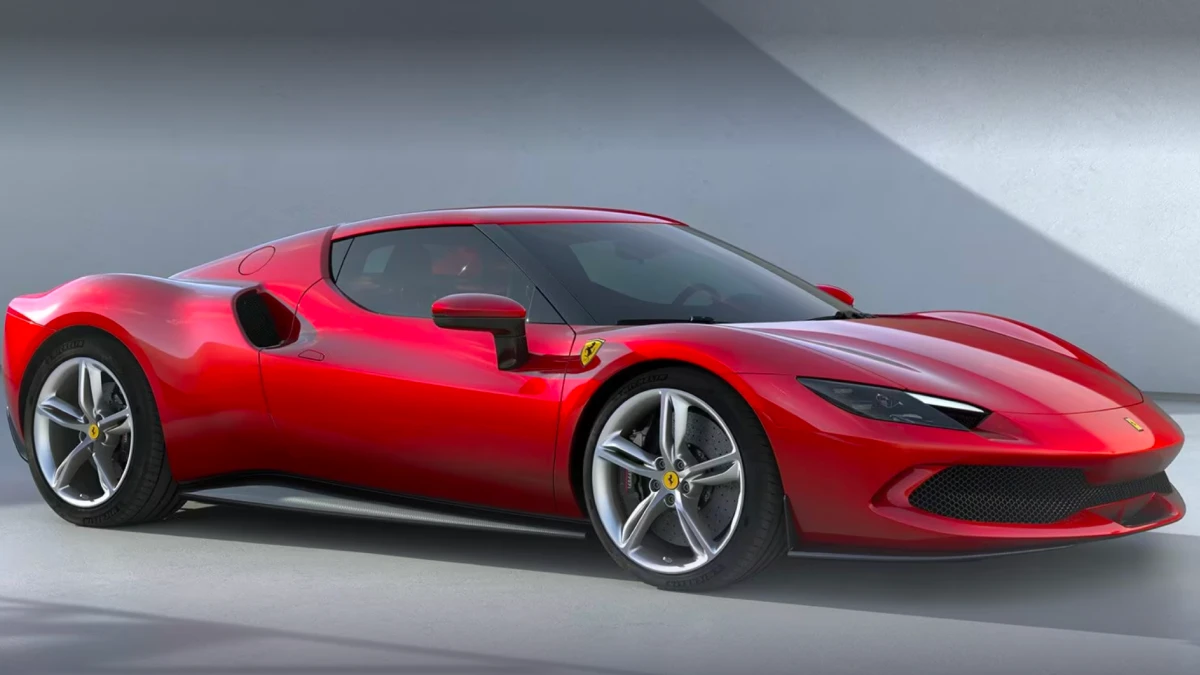
The dream of owning a roaring, V12-powered masterpiece from Maranello is about to become a lot more realistic for India’s ultra-wealthy. In a massive structural shift for the country’s supercar landscape, completely built imports are on the verge of a historic price drop. Thanks to the newly finalized India-European Union Free Trade Agreement (FTA)—widely hailed as the “mother of all deals”—import duties on high-end European vehicles are set to plummet, leading to massive price reductions of up to ₹3.15 crore on flagship hypercars and super-SUVs.
While initial industry chatter credited the India-UK trade pact (which is heavily slashing prices for British brands like Land Rover and Aston Martin), official trade data confirms that Italian icons like Ferrari, Lamborghini, and Maserati will receive their massive duty cuts directly through the newly minted India-EU framework.
The Numbers: Breaking Down the 110% to 10% Slash
Historically, India has maintained some of the highest protective trade barriers in the automotive world to encourage localized manufacturing.
- The Old Regime: Any completely built unit (CBU) entering Indian ports with a landing price exceeding $40,000 was slapped with a staggering 110% effective customs duty (when adding the basic customs tariff and the Agriculture Infrastructure and Development Cess).
- The New FTA Structure: Under the landmark deal, India has agreed to a quota-based liberalization. For an annual quota of 2.5 lakh European vehicles, import tariffs will immediately drop to 30–35% before eventually sliding down to a mere 10% over a phased five-year period.
Massive Savings on the Purosangue and SF90
For a supercar brand whose portfolio stretches from ₹3.30 crore to over ₹10.30 crore (ex-showroom), a drop in customs duty from 110% to 10% translates into generational savings for collectors.
For instance, a flagship model like the hybrid Ferrari SF90 Stradale or the V12 Purosangue SUV—which easily cross the multi-crore mark before local road taxes—will see direct ex-showroom price corrections hovering between ₹1.50 crore and ₹3.15 crore. Recognizing this massive shift, Ferrari’s regional head for Southeast Asia and India, Charles Antoine Geneste, recently noted that buyers are actively placing custom orders now. Because bespoke Ferraris carry wait times of up to 18 months, cars ordered today will land at Indian ports exactly when the lower tariff slabs officially kick into effect.
Why This Reshapes the Indian Supercar Culture
This tariff reduction changes the psychological profile of the Indian supercar buyer. Historically, exotic imports were restricted to generational industrialist families. Today, India’s “sparkling” luxury market is increasingly dominated by young tech entrepreneurs and startup founders aged 35–40.
By removing a massive chunk of artificial tax padding, European automakers can now offer their global portfolios transparently. Furthermore, the FTA fully abolishes duties on high-performance car components over the next decade. This means that maintaining an imported exotic in India—historically a logistical and financial nightmare involving air-freighting wildly expensive replacement components—will become significantly more affordable and streamlined.
The Verdict: The Track is Ready
The India-EU FTA is an absolute game-changer. By providing a controlled sandbox of 2.5 lakh units, the government is allowing ultra-luxury legacy brands to test the true depth of Indian demand without threatening domestic mass-market champions. For enthusiasts and collectors alike, the golden era of the Indian supercar has officially arrived.
Would you secure an order for a multi-crore V12 masterpiece now to beat the post-FTA waiting lists, or do you think India’s infrastructure still favors luxury SUVs over low-slung supercars? Let us know in the comments below!

