





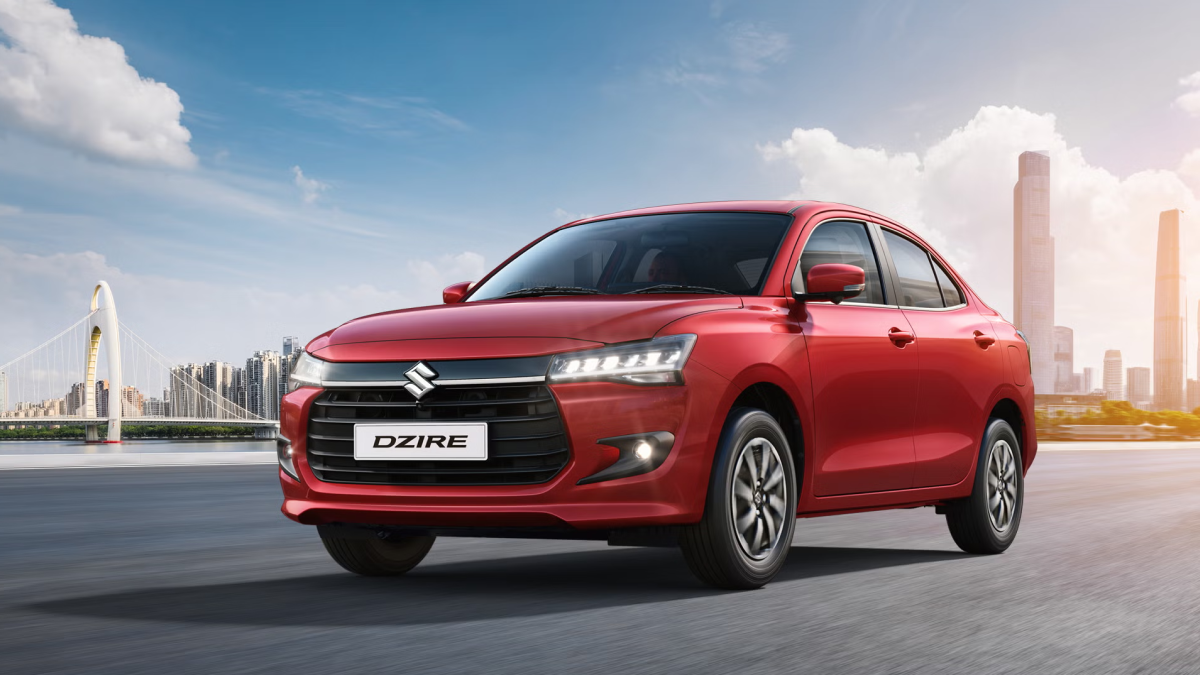
For any other automaker, a 20% surge in annual revenue to a record ₹1.83 lakh crore would be a cause for unequivocal celebration. But for Maruti Suzuki, the FY2026 finish line brought a more nuanced reality. Despite moving a staggering 2.42 million vehicles—the highest in the company’s history—consolidated net profit remained essentially flat at ₹14,679 crore, up just 1.2% from the previous year.
This “topline-heavy, bottom-line-steady” performance highlights a critical challenge for the industry: the widening gap between selling cars and making money.
1. The Demand Surge: 1.9 Lakh Orders and Low Inventory
The most striking figure from the FY26 report is the massive backlog. Maruti ended the year with approximately 190,000 pending customer orders.
- Small Car Persistence: Nearly 130,000 of these pending orders are for small cars, proving that despite the “SUV-ification” of the Indian market, the entry-level segment remains a massive volume driver for Maruti.
- Lean Inventories: Dealer inventory levels have plummeted to just 12 days, indicating that the company is effectively selling every car as soon as it rolls off the assembly line.
2. The Margin Squeeze: Why Profit Stayed Flat
If sales are at an all-time high, why didn’t profits follow? The answer lies in a triple-threat of rising costs:
- Raw Material Inflation: Commodity prices, particularly steel and aluminum, surged in the latter half of the year. The cost of materials consumed rose by nearly 28%, keeping pace with revenue and eating into margins.
- The Labour Code Impact: A one-time incremental impact of nearly ₹594 crore was recognized due to revised wage definitions under India’s new four Labour Codes.
- Treasury and M2M Losses: Notional mark-to-market (M2M) losses on bond yields and treasuries further dragged down the quarterly profit in Q4, leading to a 6.4% dip in year-on-year profit for the final three months of the fiscal.
3. Future-Proofing: The ₹14,000 Crore Gambit
Maruti isn’t sitting still. To solve the production bottleneck, the board has approved a massive ₹14,000 crore capex for FY2027.
| Strategic Move | Objective |
| New Manufacturing Lines | Adding 5 lakh units of capacity at Kharkhoda and Hansalpur. |
| Export Dominance | Exports hit a record 4.47 lakh units in FY26, making Maruti India’s top PV exporter for 5 years straight. |
| Dividend Payout | A final dividend of ₹140 per share was recommended, a nod to shareholders despite the flat profit growth. |
The Verdict
Maruti Suzuki is currently a “volume machine” operating at 100% capacity. While the profit stagnation might worry short-term investors, the brand’s ability to maintain a 40%+ market share while managing a massive 1.9 lakh order backlog is a testament to its logistical muscle. The challenge for FY27 will be translating this demand into margin recovery as new capacity comes online.

