




After twenty-three years of navigating one of the most competitive automotive landscapes in the world, Honda has officially announced its withdrawal from the South Korean market. It’s a move that signals more than just a business failure; it reflects a massive shift in how global automakers are prioritizing their resources in the age of electrification and geopolitical tension.
For a brand that once stood as a symbol of Japanese reliability for Korean consumers, the exit is a sobering conclusion to a journey that began with high hopes in 2003.
The Sales Slide: By the Numbers
The primary driver behind this exit is a brutal decline in volume. At its peak in 2008, Honda was a top-tier importer in Korea, moving over 12,000 units annually. Fast forward to recent years, and those numbers have plummeted. In 2023 and early 2024, monthly sales often struggled to crack the 300-unit mark.
When you compare this to local giants like Hyundai and Kia, who control nearly 80% of their home market, the “niche” status of Honda became unsustainable. For an international brand to maintain a dealership network, spare parts logistics, and marketing presence, they need a “critical mass” of sales that Honda simply hasn’t hit in years.
The Three Pillars of Failure
Honda’s exit wasn’t caused by a single event, but rather a “perfect storm” of three specific factors:
1. The “No Japan” Sentiment
Geopolitics plays a massive role in Korean consumer behavior. Periodic trade disputes between Seoul and Tokyo have historically led to “Boycott Japan” movements. While brands like Toyota managed to weather these storms through heavy hybrid investment, Honda’s smaller lineup left it more exposed to these sudden shifts in public sentiment.
2. The EV Lag
South Korea is one of the most advanced EV markets globally, with local buyers flocking to the Hyundai Ioniq 6 and Kia EV6. Honda’s global delay in launching a robust EV portfolio meant they were trying to sell internal combustion engines and older hybrid tech to a market that had already moved on to the next generation of powertrains.
3. The Luxury Squeeze
In Korea, imported cars are usually seen as status symbols. Brands like BMW and Mercedes-Benz thrive because they offer “prestige.” Honda, which sits in the “premium-mass” segment, found itself squeezed from below by highly featured Kia models and from above by the aspirational German brands.
What Happens to Current Owners?
Honda has clarified that while they are stopping sales, they aren’t abandoning their customers overnight. They plan to maintain a skeleton crew for after-sales service and warranty support for at least the next eight years, as mandated by local consumer protection laws. However, resale values for Honda models in Korea are expected to take a significant hit following this news.
The Global Pivot
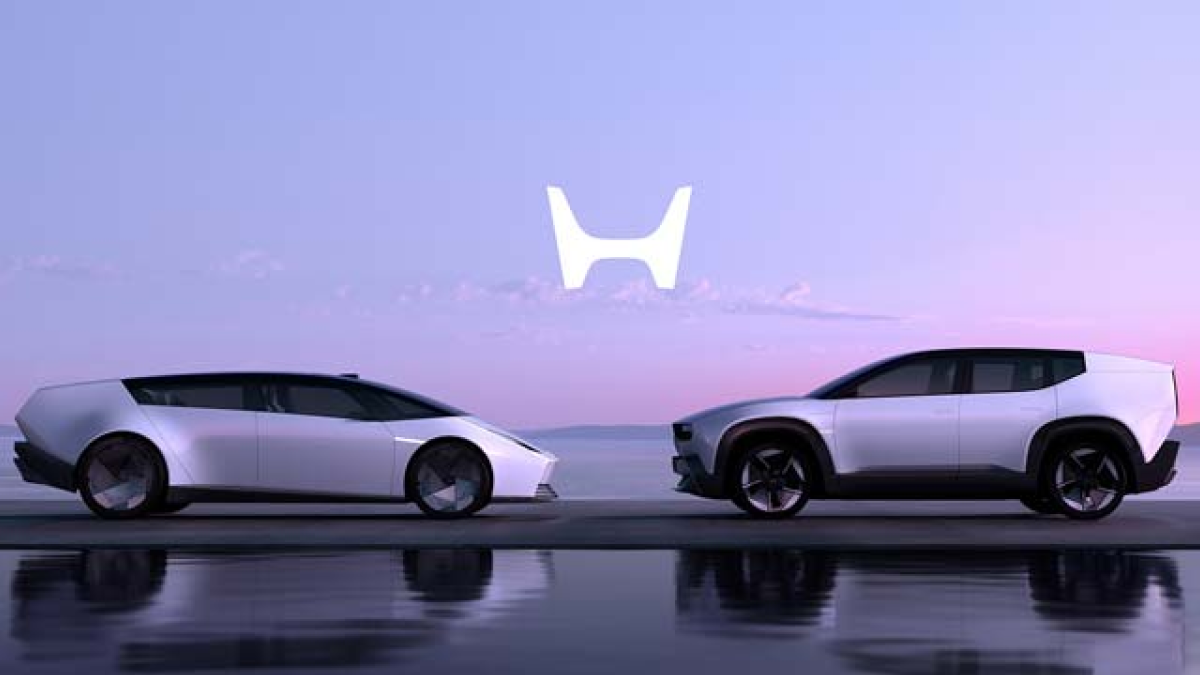
This isn’t just about Korea; it’s about Honda’s “The 2030 Vision.” By exiting low-margin markets, Honda is freeing up capital to invest in its partnership with Sony (AFEELA) and its massive EV pivot in North America and China.
The South Korean exit is a loud reminder to the industry: in 2026, being “reliable” isn’t enough to survive. You have to be electric, you have to be prestigious, or you have to be local. Honda, unfortunately, was none of those.

