





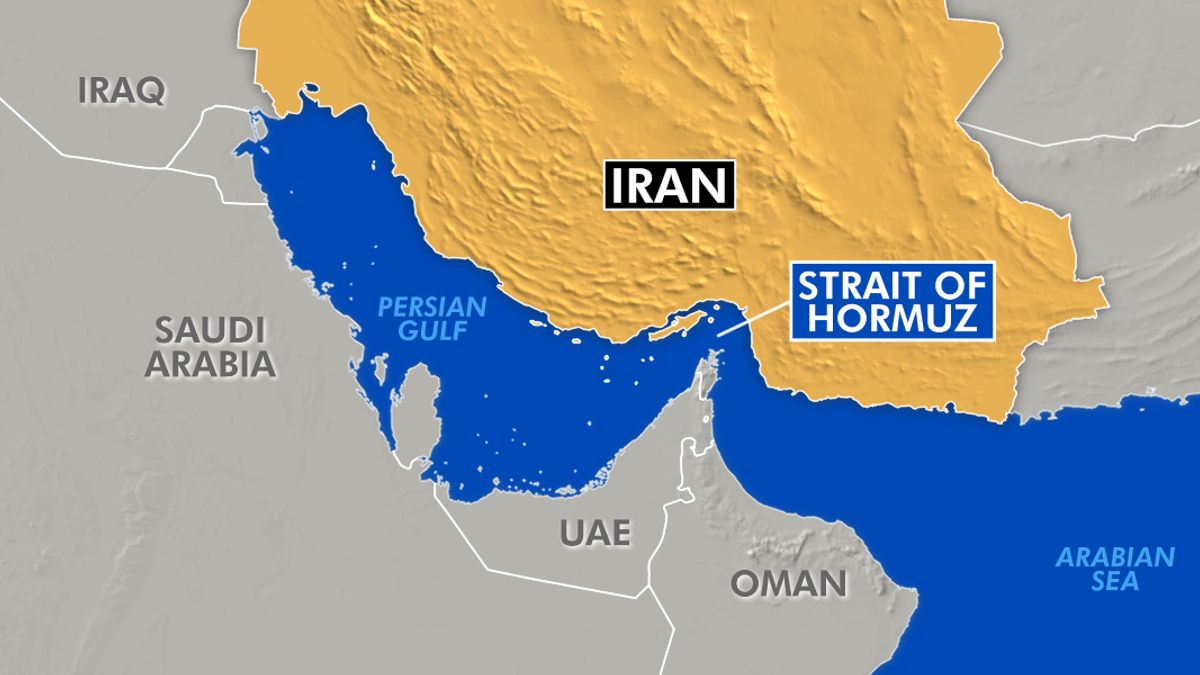
As geopolitical tensions in West Asia reach a boiling point, India has executed a massive, rapid realignment of its energy supply chain. During a recent inter-ministerial briefing held on March 11, 2026, the Ministry of Petroleum and Natural Gas confirmed a structural shift in national procurement: 70% of India’s crude oil imports are now arriving via maritime routes that bypass the volatile Strait of Hormuz.
This is a significant jump from the previous baseline of 55%, showcasing India’s proactive “de-risking” strategy in the face of escalating conflict.
Why the Strait of Hormuz is a Global Chokepoint
The Strait of Hormuz is arguably the world’s most critical energy artery. Roughly one-fifth of global oil consumption passes through this narrow 33-kilometre-wide passage. For India, which relies on imports for nearly 88% of its crude requirements, this corridor has historically been a vital lifeline. However, the current military tensions—which have led to de-facto disruptions in shipping—highlight the extreme vulnerability of relying on a single maritime chokepoint.
How India Secured Its Energy Shield
The ability to reroute 70% of imports in such a short window is the result of years of “energy diplomacy” and strategic diversification. According to Sujata Sharma, Joint Secretary in the Ministry of Petroleum and Natural Gas, the government’s response has been threefold:
- Supplier Diversification: India has aggressively expanded its supplier base from 27 countries in 2006 to over 40 today. By sourcing crude from as far afield as West Africa, the Americas, and Central Asia, India has created a redundant network that doesn’t collapse if one route is blocked.
- Increased Russian Crude Inflows: As shipments from the Middle East slowed due to security risks and rising insurance premiums, Indian refiners ramped up purchases of Russian crude. In the first 11 days of March 2026 alone, Russian oil inflows into India surged by 50% to roughly 1.5 million barrels per day.
- Operational Resilience: Domestic refineries are currently running at maximum capacity—in some units, exceeding 100% utilisation—to ensure that even if import schedules are delayed, the domestic market remains stocked with petrol, diesel, and ATF.
The “India First” Allocation Policy
While the crude supply remains secure, the government has taken no chances regarding natural gas. On March 9, 2026, a Natural Gas Control Order was invoked under the Essential Commodities Act. This policy prioritises the 100% supply of Compressed Natural Gas (CNG) and Piped Natural Gas (PNG) for households and the transport sector. To make this possible, lower-priority sectors like petrochemicals and non-essential industrial units are absorbing a managed reduction in gas allocation.
Resilience Amid Global Volatility
India’s current energy strategy is being hailed by analysts as a model for emerging economies. By maintaining nearly eight weeks of inventory cover (including strategic petroleum reserves), India has avoided the “panic booking” seen in other parts of the world.
While the Middle East conflict continues to pose risks, India’s pivot away from the Hormuz corridor provides a tactical buffer. The combination of diversified sourcing, robust refinery output, and proactive household supply protection ensures that the nation’s economy remains insulated from the worst of the current global energy shock.

