




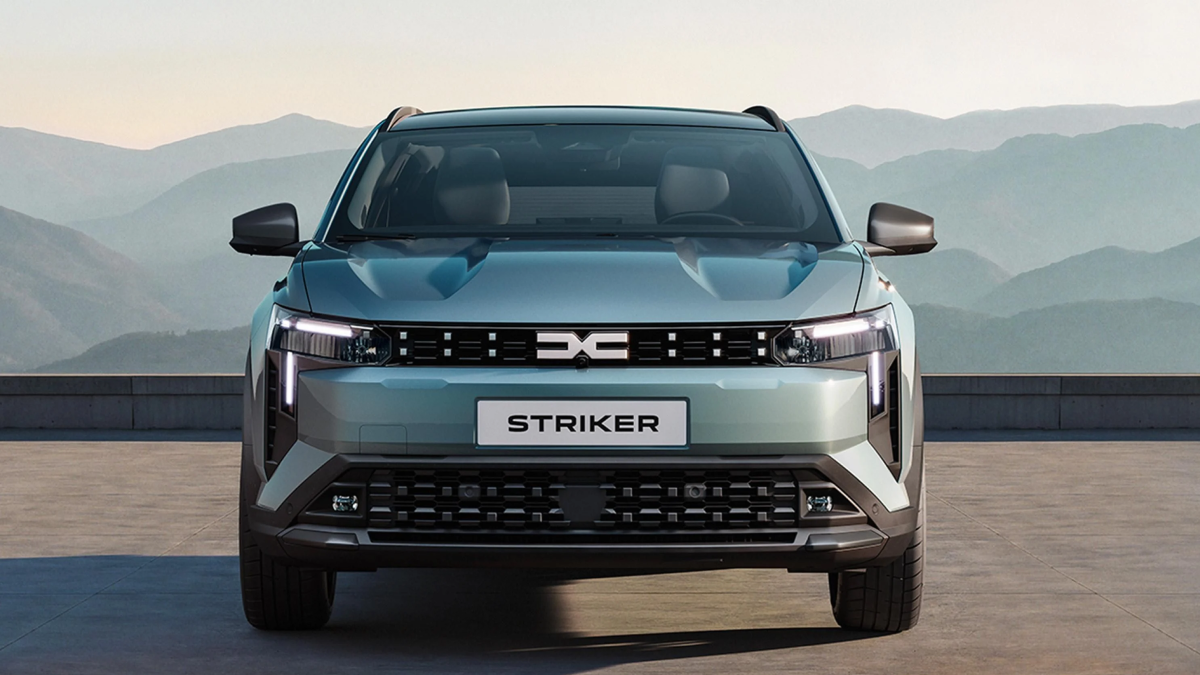
In a bold move that redefines the C-segment, Renault’s Romanian subsidiary, Dacia, officially pulled the covers off the Dacia Striker on March 10, 2026. While many expected a smaller companion to the recently launched Bigster, the Striker has arrived as a massive surprise—literally. Measuring 4.62 metres in length, the Striker is officially the longest vehicle in Dacia’s history, surpassing its SUV sibling by 50 mm.
Positioned as an “Allroad Break,” the Striker is a direct response to the market’s saturation of upright SUVs. It offers a sleeker, more aerodynamic alternative to the Bigster while maintaining the rugged, high-clearance DNA that Dacia fans crave.

A Masterclass in Space and Aerodynamics
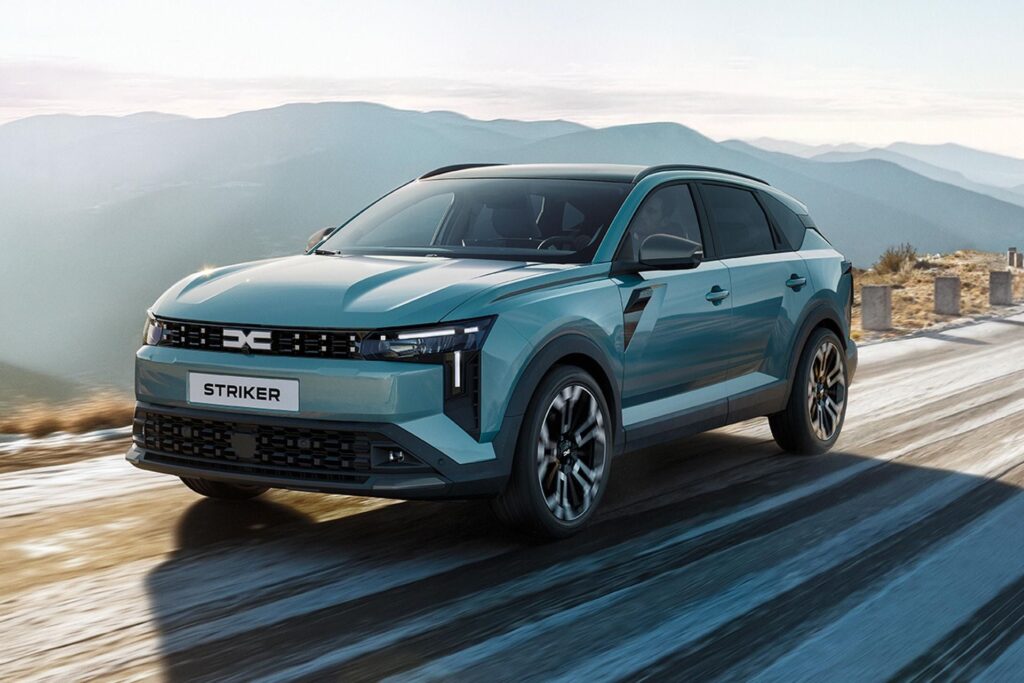
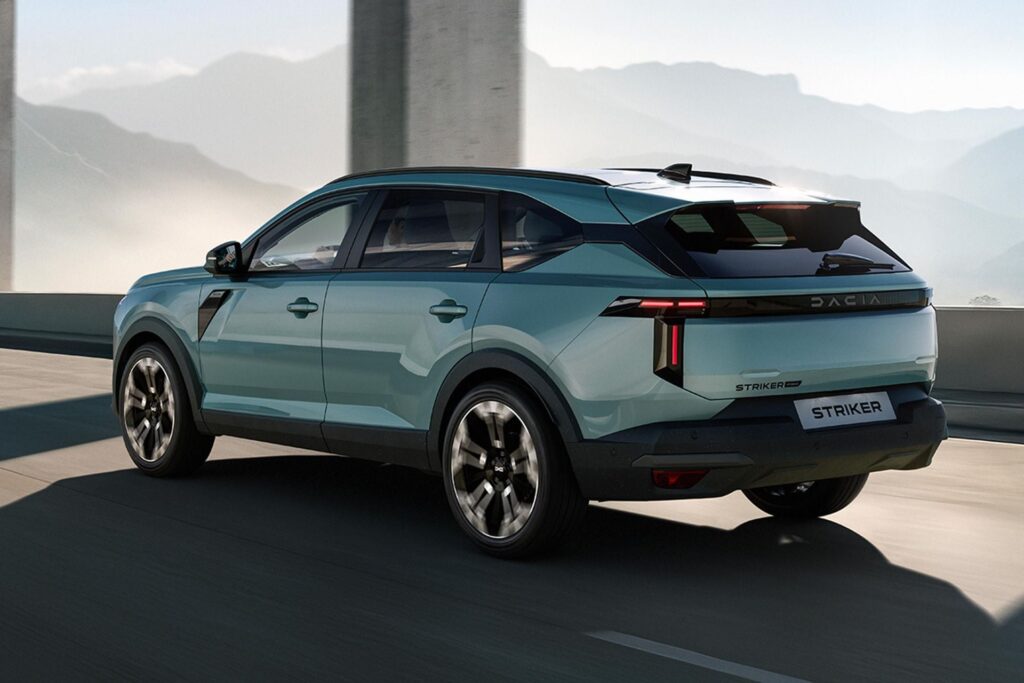
The Striker’s design philosophy, dubbed “futuREady,” marks a departure from Dacia’s traditionally conservative lines. It features a “floating roof” effect thanks to a visually interrupted D-pillar and a raked windshield that flows into a low-drag rear section. This aerodynamic focus isn’t just for show; Dacia engineers claim the Striker’s lower profile significantly improves highway stability and fuel efficiency compared to boxier SUVs.
Despite its sleeker roofline, the Striker is a utility powerhouse. It is designed to offer:
- C-Segment Dominance: At 4,620 mm, it rivals the Skoda Octavia Estate in footprint.
- Massive Cargo Room: Early specs suggest a boot capacity exceeding 500 litres, targeting families who prioritize horizontal storage over vertical bulk.
- Rugged Styling: Standard roof rails, chunky plastic cladding, and up to 19-inch alloy wheels ensure it still looks the part of a crossover.
Powering the Future: The Hybrid 155 System
Built on the versatile CMF-B platform, the Striker is a “multi-energy” vehicle, meaning it is ready for both traditional and electrified journeys. The headline powertrain is the all-new Hybrid 155 system.
This setup pairs a 1.8-litre petrol engine with a high-torque electric motor, delivering a combined 154 PS. Dacia claims that this system will allow urban drivers to remain in pure electric mode for up to 80% of their city commutes. For those seeking more capability, Dacia has also confirmed a Hybrid 4×4 version. Unlike traditional mechanical AWD systems, this uses a dedicated rear electric motor, providing instant traction on muddy tracks or snowy roads without the weight penalty of a heavy driveshaft.
Price and Market Position
In keeping with the brand’s “Smart Buy” ethos, the Striker is set to disrupt the European market with an aggressive starting price of under €25,000 (approximately £21,650). This places a brand-new, C-segment hybrid within the same price bracket as many used premium hatchbacks.
The Striker will be produced at Renault’s Bursa plant in Turkey, with a full technical deep-dive and interior reveal scheduled for June 2026. For buyers in India, the Striker’s platform sharing with the upcoming Duster and Bigster makes it a highly relevant model to watch as Renault considers expanding its local “lifestyle” portfolio.

