




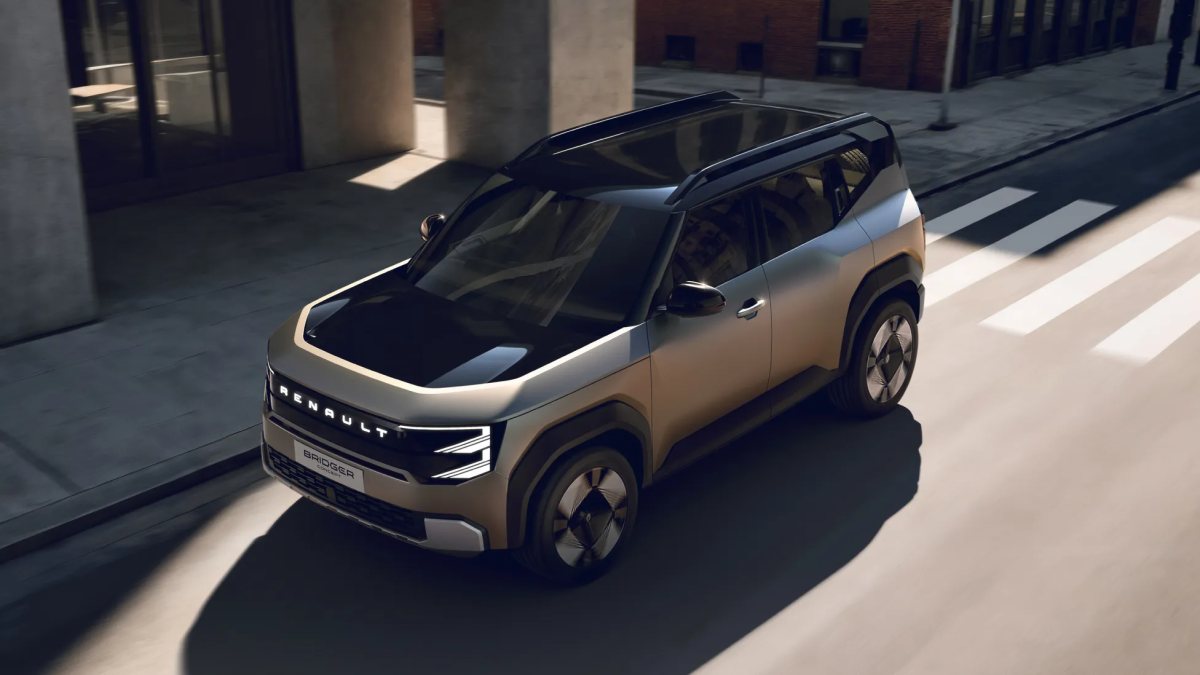
Renault has officially pulled the covers off the Bridger Concept, a vehicle that marks a high-stakes pivot in the French automaker’s “futuREady” strategic plan for India. While the Kiger served as an entry-level crossover, the Bridger is being positioned as a more rugged, “true-blue” SUV. Measuring just under four metres to leverage local tax benefits, the Bridger—internally codenamed RB3-K2—previews a production-ready model slated for a late 2027 launch.
A Design Built on Robustness
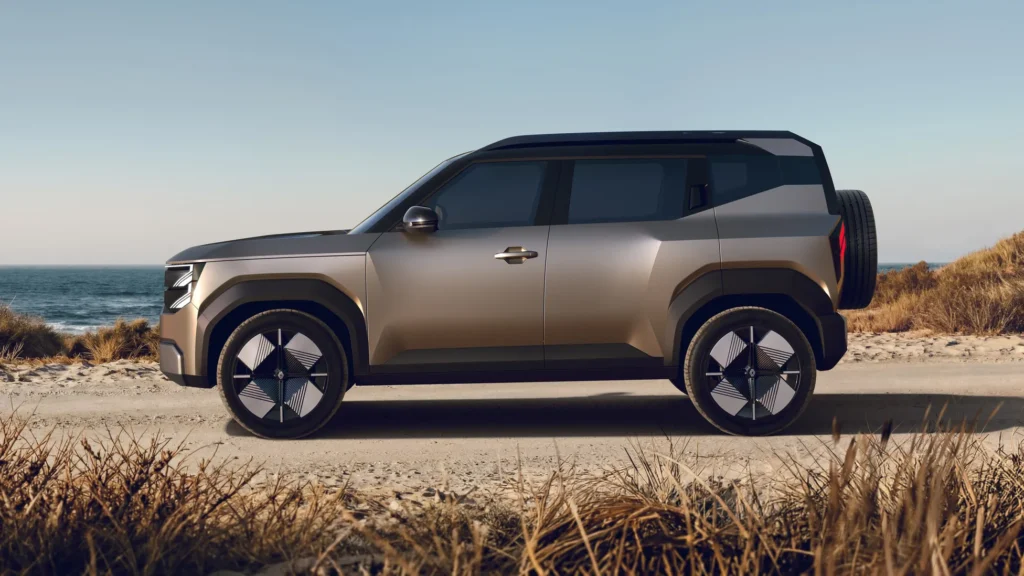
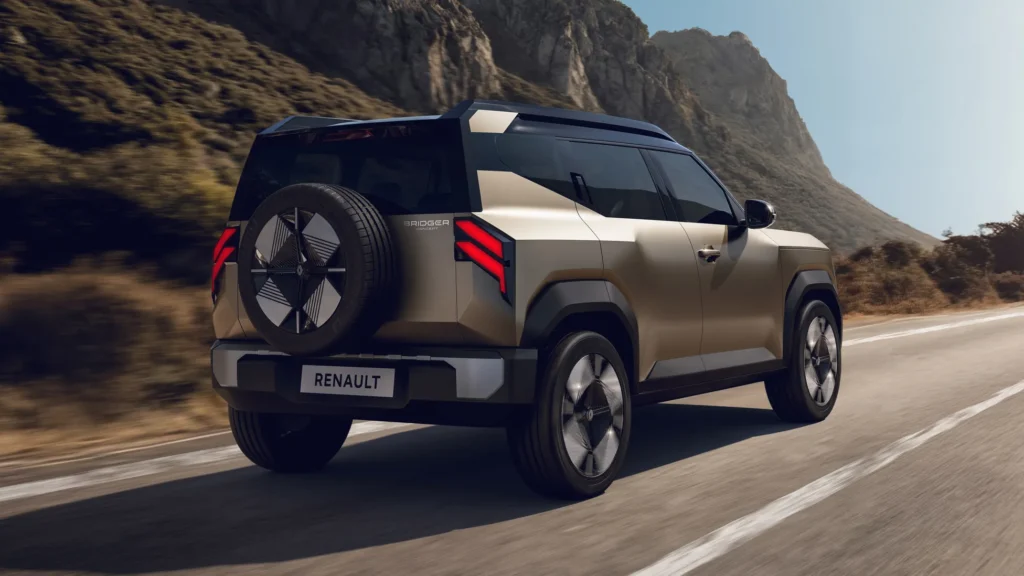
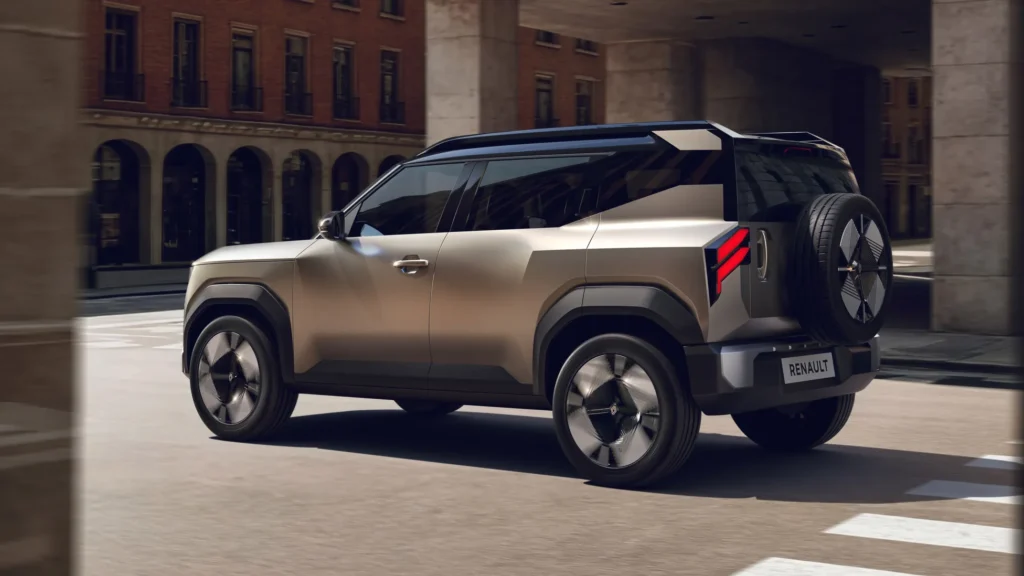
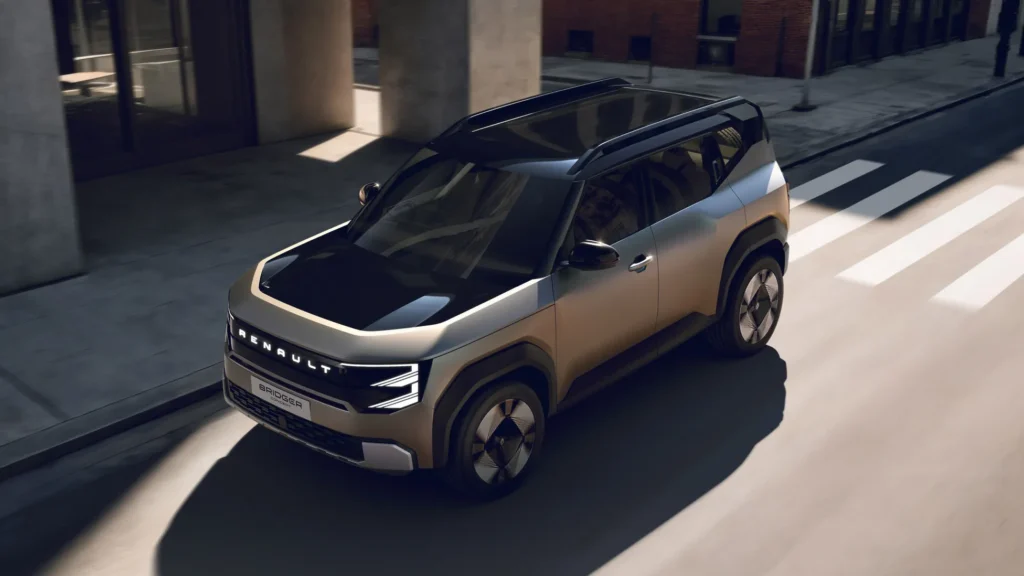
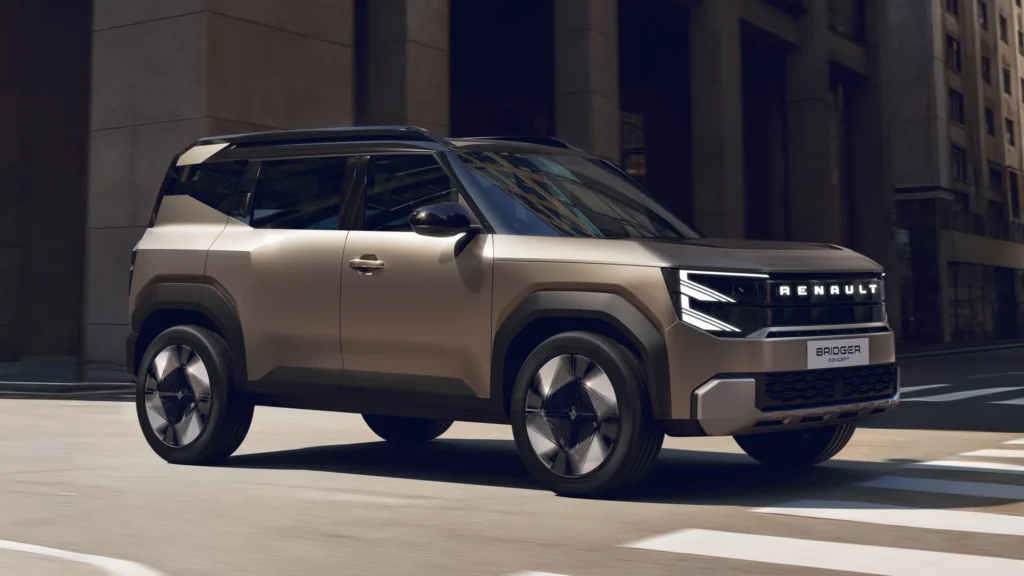
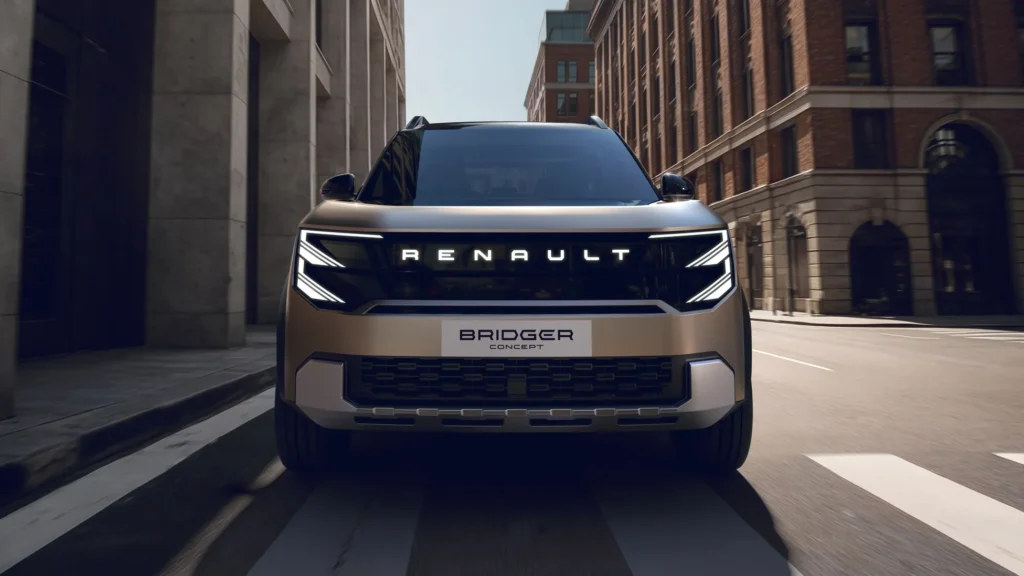
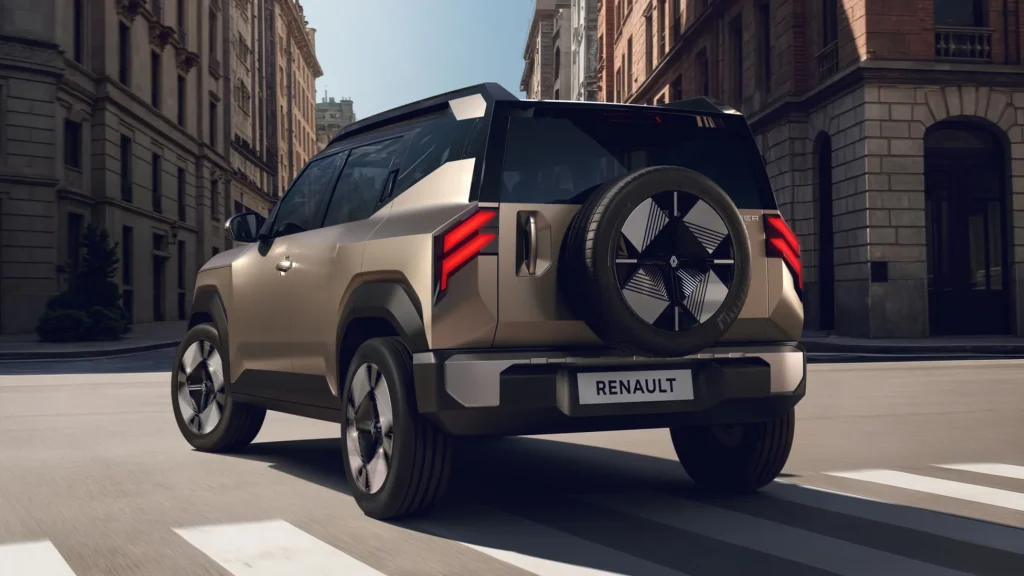
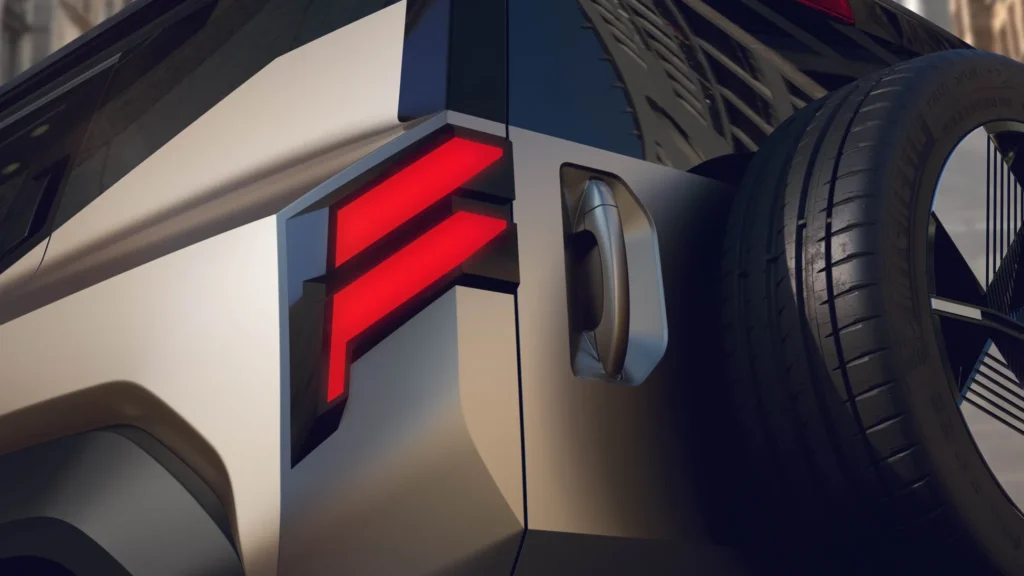
The most striking aspect of the Bridger is its “Mini Duster” aesthetic. Renault has moved away from the sleek, curvy lines of its current portfolio in favor of a boxy, upright silhouette that prioritizes road presence. Key design highlights revealed at the debut include:
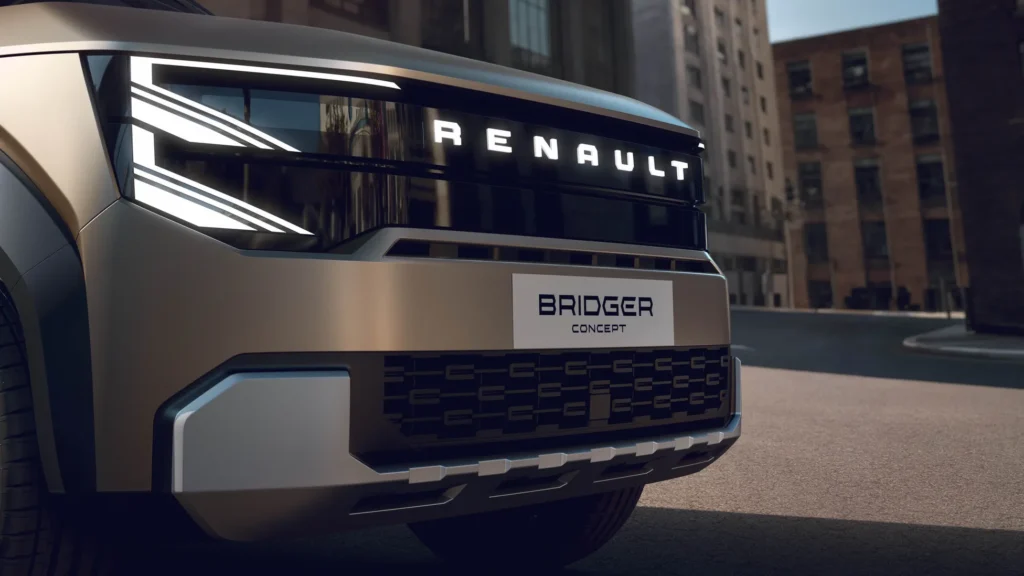
- Illuminated Identity: The front fascia features a gloss black panel with illuminated “RENAULT” lettering, flanked by stacked LED daytime running lights.
- Off-Road DNA: A standout feature is the tailgate-mounted spare wheel, a styling cue borrowed from traditional off-roaders.
- Muscular Stance: Squared-off wheel arches, chunky silver skid plates, and a 200 mm ground clearance ensure the Bridger looks capable of handling more than just city tarmac.

Space Optimization: The 400/400 Rule
Renault is betting heavily on interior practicality to differentiate the Bridger from rivals like the Tata Nexon and Maruti Suzuki Brezza. Despite its compact footprint, the company claims “exceptional” cabin space. Specifically, the Bridger is designed to offer 400 litres of boot space—currently the largest in the sub-4m segment—and a class-leading 200 mm of rear knee room.
While the interior was not fully showcased at the reveal, Renault’s design head confirmed a focus on “intelligent layouts,” hinting at a 10.1-inch dual-screen setup and a high driving position to enhance visibility.
The R-GMP Multi-Energy Strategy
The Bridger will be the first model built on the heavily localized R-GMP (Renault Group Modular Platform). This architecture is a “multi-energy” backbone, meaning the production model will likely be the most versatile in its class regarding powertrains. Renault plans to offer:
- Turbo Petrol: A 1.0-litre unit (100 PS) paired with Manual or CVT options.
- Strong Hybrid: Aiming for best-in-class fuel efficiency for urban commuters.
- Electric (EV): Expected battery options of 35 kWh and 55 kWh, targeting a significant share of the mass-market EV space.
Strategic Importance for India
Renault leadership emphasized that India will serve as the primary manufacturing and export hub for the Bridger. Production is set to begin next year at the Chennai facility, with the SUV positioned strategically between the Kiger and the next-generation Duster.
By blending a lifestyle-oriented “tough” design with family-friendly practicality and diverse engine options, the Bridger is Renault’s strongest bid yet to reclaim its status as a high-volume player in the Indian market.

